
A retail owner evaluating a reflective roof needs the proposed surface considered with the building’s existing assembly and operating use. Commercial Roofers Honolulu plans cool roof installation in Honolulu, HI, by examining material condition, installation options and the requirements applicable to the project. Ala Moana’s mixed commercial and residential setting and Kapolei’s retail buildings provide local contexts for that review. We define the roofing system and its connections before presenting reflectivity as a reason to retain, restore or replace the assembly.
A reflective surface can change how a roof responds to solar exposure, but that characteristic does not establish the suitability of the layers below it. The owner still needs a sound basis for waterproofing, attachment, drainage and concealed material decisions. We evaluate those questions and explain the chosen installation route. The proposal should identify the assembly being delivered and the requirements it addresses without claiming a particular utility saving or interior temperature reduction that has not been established for the building.
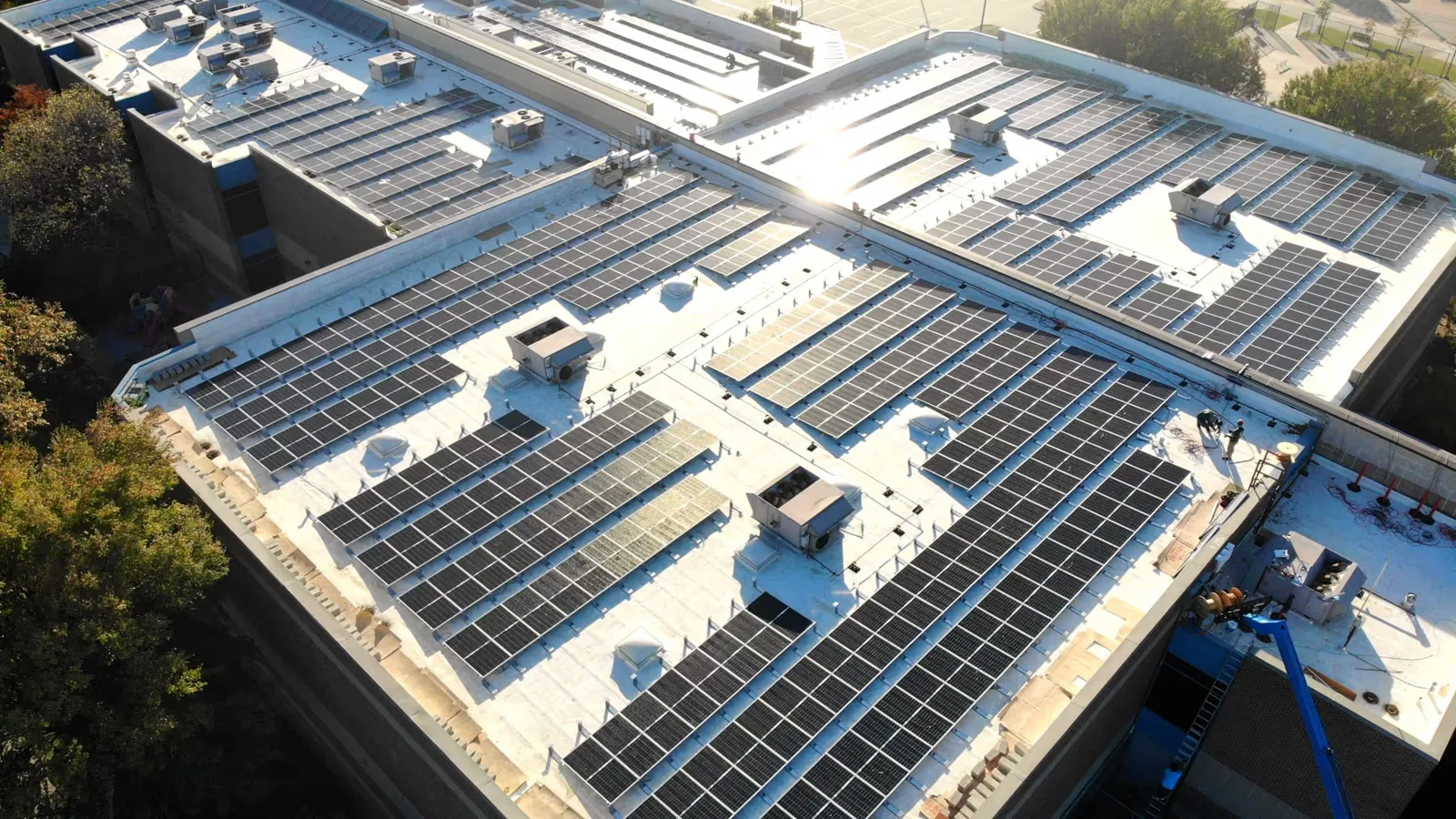
The existing assembly determines the route
A reflective membrane can form part of a replacement project, while an appropriate coating may restore a suitable retained surface. Those options have different preparation and removal requirements. We examine the accessible roofing and available records to identify current material, repairs and detail condition. Where the retained layers are uncertain, selective investigation establishes the facts needed for the decision rather than treat surface color as evidence that the assembly can remain.
Confirmed wet or damaged areas require an appropriate scope before new roofing is installed. An assembly moisture investigation can help locate suspect material under suitable conditions, with confirmation where necessary. Retained areas and removal boundaries are described. If deterioration is distributed or the existing system cannot support the proposed connection, a complete replacement assessment may provide the more appropriate basis for a reflective roof project.
A restoration route requires preparation and compatibility checks for the existing substrate. The assessment identifies loose material, contamination and details requiring reconstruction. A light-colored finish over an unresolved opening would leave the waterproofing question unchanged. We distinguish the work needed to restore a serviceable assembly from changes sought for solar reflectance, so the owner can understand both purposes within the proposed scope.
Performance requirements stay project specific
Honolulu adopts a state code based on the 2018 IBC, with state and Honolulu amendments. The Hawaii State Energy Office identifies the amended 2018 energy code and Honolulu compliance materials. The applicable requirements need to be established for the actual building and work scope. We coordinate material selection with that review, avoiding a universal rule that every existing commercial roof must receive the same reflectance, insulation or installation arrangement.
Product information needs to describe the selected roof material rather than rely on a general label of cool roofing. Relevant reflectance and other performance characteristics are considered with the complete system and the project requirements. The owner can review what is specified and how it is supported. Where an energy assessment is needed to evaluate building savings, that is a separate project-specific exercise; the roofing proposal does not convert a product characteristic into an unsupported operating-cost forecast.
Hawaii’s warmest months are August and September; temperatures can reach the 90s, while severe storms including hurricanes are uncommon but possible. That climate context makes heat exposure a relevant ownership question, but the building response also depends on insulation, occupied use and mechanical systems. We discuss reflective roofing as one part of the assembly decision. The roof must still meet its weather-protection role and provide suitable connections at details where solar performance alone offers no remedy for leakage.
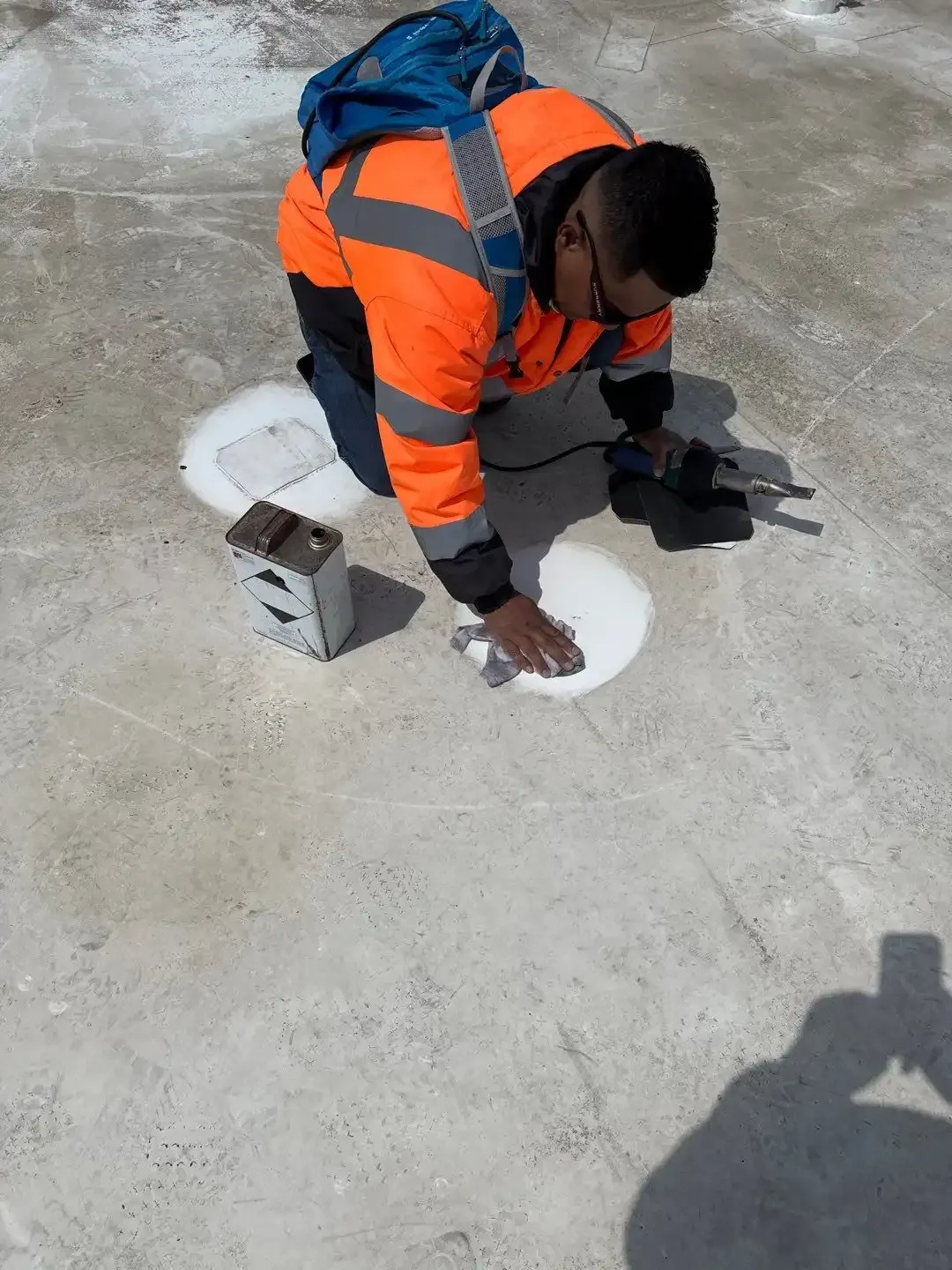
Material choice includes the connections
A reflective TPO membrane option requires suitable substrate preparation, attachment and welded details. A PVC roof option has its own compatible system requirements. We assess the proposed material against the building’s existing conditions and the accepted assembly. The choice includes terminations, penetrations and perimeter details, keeping the reflective field connected to the waterproofing work necessary around its boundaries.
Where coating restoration is suitable, the selected system needs a prepared substrate, appropriate reinforcement and an adequate application window. Coverage and detail treatment follow the system requirements rather than a general promise that another coat will improve every roof. We identify the repairs required before application and the checks supporting completion. The owner can then compare restoration with replacement using defined work rather than the appearance of a new surface.
Installation preserves the assembly decision
New insulation or cover board can change roof heights at curbs, walls and outlets. The project scope addresses those elevations and the connection to retained details before the field is installed. A reflective membrane does not correct a drainage route that remains unsuitable, so outlet and slope questions are coordinated with the roofing work. Where another professional’s design or trade input is needed, the proposal identifies that dependency and the accepted configuration to which our work will connect.
For shopping-center roof projects, access and protection may need coordination across several occupied premises. We establish material delivery and removal routes, areas below planned openings and the sequence for daily closure. Hawaii’s heavier winter storm rainfall affects weather-window decisions where layers are exposed. The selected surface is installed only after the underlying material and preparation are suitable, preserving the assembly condition on which the owner approved the work.
Application or seam checks are documented as appropriate to the selected system. Relevant concealed-layer photographs and completed junction views provide an account beyond the visible roof color. That record should identify repairs, installed materials and authorized changes. If a condition encountered during removal changes the scope, its finding and response are retained so the finished reflective surface does not obscure why the assembly differs from the initial proposal.
The owner receives a usable material record
Buildings in Ala Moana’s mixed-use district can retain the installed system description with future inspection findings. Maintenance should follow the material’s requirements, including suitable cleaning and protection of service routes. We identify access precautions and details deserving observation. Reflectivity can be affected by surface condition, but a cleaning decision must also protect the waterproofing rather than pursue appearance with an unsuitable method.
The handover supports later roofing and equipment decisions by identifying the assembly and its connections. An owner considering another rooftop use can begin with that record and investigate the current condition where necessary. We explain work completed and any separate outstanding action. The practical result is a reflective roofing project supported by a defined material and installation scope, allowing its surface characteristic to be reviewed alongside the waterproofing and operational requirements it must satisfy.
Commercial Roofing Questions
Does a reflective roof proposal establish a specific energy saving?
Not without an appropriate building-specific assessment. Roofing product characteristics can inform the choice, while actual operating savings depend on the building, insulation, systems and use.
Must the existing roof be removed to obtain a reflective surface?
The current assembly and proposed system determine the route. A suitable retained roof may support restoration, while damaged layers or incompatible conditions can require removal and replacement.
What information is needed for energy-code review?
The actual building and work scope establish the applicable review. Product characteristics, assembly details and insulation information are coordinated with the project’s compliance requirements rather than assumed from roof color.
Can a cool roof correct poor drainage?
Reflectivity does not change the water route. Drainage geometry and outlet condition require their own assessment and correction where necessary within the roofing project.
How should the installed surface be maintained?
Care follows the selected material’s requirements. Suitable cleaning, defined equipment access and observation of repaired details help preserve the waterproofing while keeping the surface condition recorded.
Evaluate reflectivity with the assembly
Discuss cool roof installation with Commercial Roofers Honolulu and establish the existing conditions, project requirements and complete roofing scope before selecting the surface.
Tell Us About Your Roof
We will follow up to set up a time to walk the roof.
Request a Roof Assessment
Tell us about the building and what you are seeing. We will follow up to set up a time to walk the roof.