
An apartment owner considering roof restoration needs to know whether the existing surface and concealed materials can remain in service. Commercial Roofers Honolulu evaluates roof coating restoration in Honolulu, HI, by examining that retained assembly before proposing an application. The older apartment buildings in Makiki and the residential-commercial mix in Ala Moana provide different occupied settings for the same decision: preparation and coating work must address the actual waterproofing condition without concealing unresolved damage. We identify suitable areas, necessary repairs and the evidence supporting retention.
A coating proposal involves more than choosing a finish. The substrate, existing treatments, drainage and details determine whether a restoration system can perform as intended. We record those conditions and distinguish an application over a serviceable assembly from work that first requires removal or reconstruction. Owners receive a scope that explains what remains, what is repaired and which acceptance checks are required before coating begins, so an attractive surface does not become the only measure of completed work.
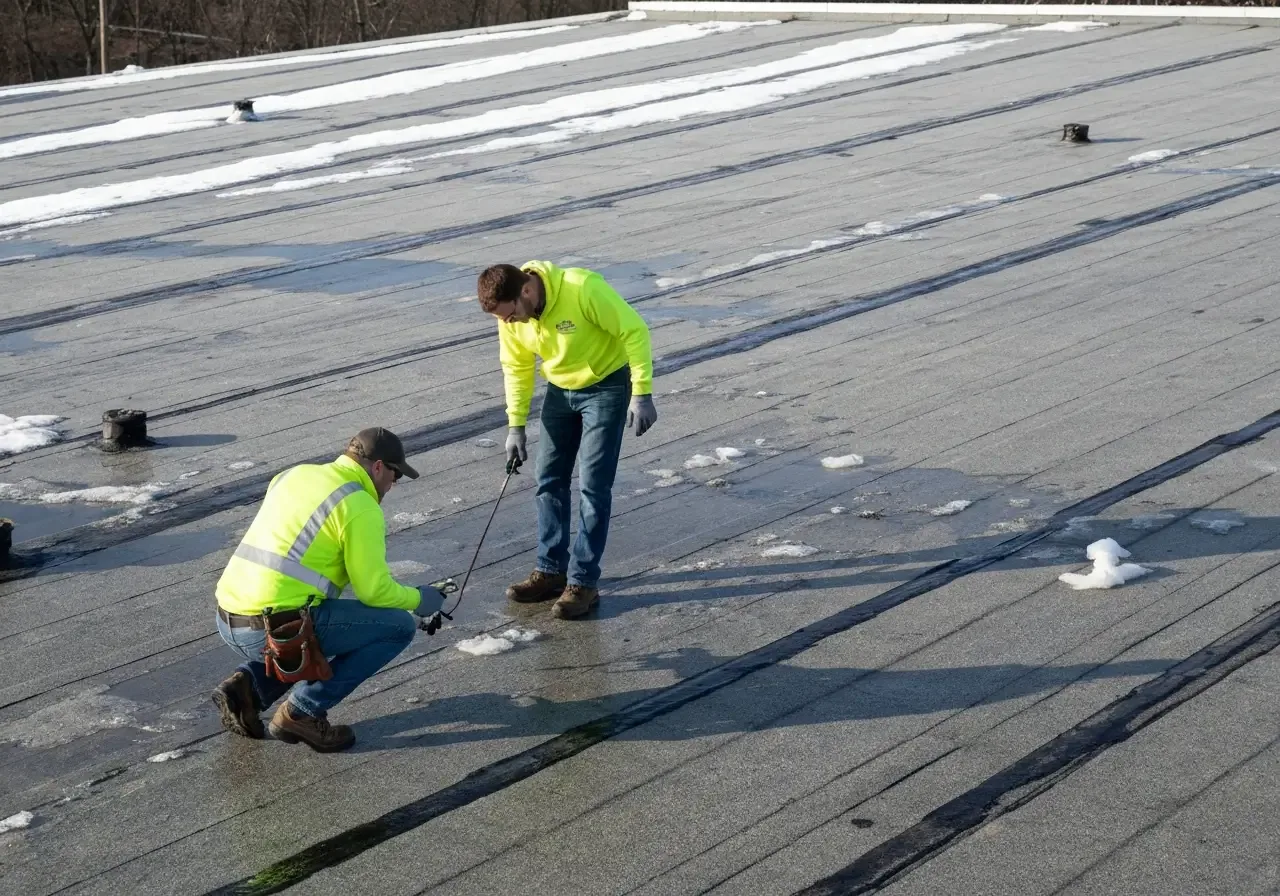
Retention requires a sound basis
We examine the existing roofing for open seams, displaced flashings, surface deterioration and earlier repairs. Their distribution matters. A limited repairable defect may be compatible with restoration, while broad deterioration can require another roofing approach. Where leakage history or accessible findings suggest wet insulation, the retained layers need further assessment. An assembly-specific moisture investigation can help locate suspect areas, with selected openings establishing the material condition relevant to the proposed scope.
Coating over wet or unstable material does not resolve the cause of its deterioration. Confirmed damaged areas receive defined removal and replacement limits before the restoration work is priced or authorized. We explain how the new material reconnects with the assembly that remains, including insulation, supporting deck and surface waterproofing. If removal reveals a condition beyond the agreed boundary, the owner receives photographs and a revised decision rather than an unexplained enlargement of the coating work.
The existing system also needs to be identified sufficiently for product selection. An earlier coating, aged membrane or metal surface can require different primers and preparation methods. We review available records and carry out appropriate examination or adhesion testing where compatibility is uncertain. A successful test at one location is considered with the broader surface condition; it does not erase evidence of contamination, loose material or a different treatment elsewhere on the roof.
Preparation controls the application
Cleaning removes contamination that would prevent the selected system from bonding properly. The method must suit the substrate and building setting. We identify where water, cleaning residue and removed material will go, and protect openings or sensitive equipment affected by the operation. Cleaning should leave a suitable roofing surface rather than force water into an unresolved detail or distribute debris into drains. The prepared condition is checked before the next material is applied.
Seams, penetrations and transitions receive the repair and reinforcement required by the selected system. A separated termination may need reconstruction before coating can bridge the weathering surface. A fastener opening or metal joint can require its own compatible treatment. We record these details as distinct work items, so the owner can confirm that preparation addresses the identified defects rather than rely on a general statement that the roof will be cleaned and coated.
Existing roof geometry remains consequential. Low areas, drain surrounds and changes in slope can expose a coating to conditions different from the adjacent field. We examine those locations and compare them with the system’s application requirements. Where drainage corrections are necessary, they belong in the scope before application. The coating choice should follow the supported exposure and substrate conditions rather than presume that additional material will correct a drainage defect.
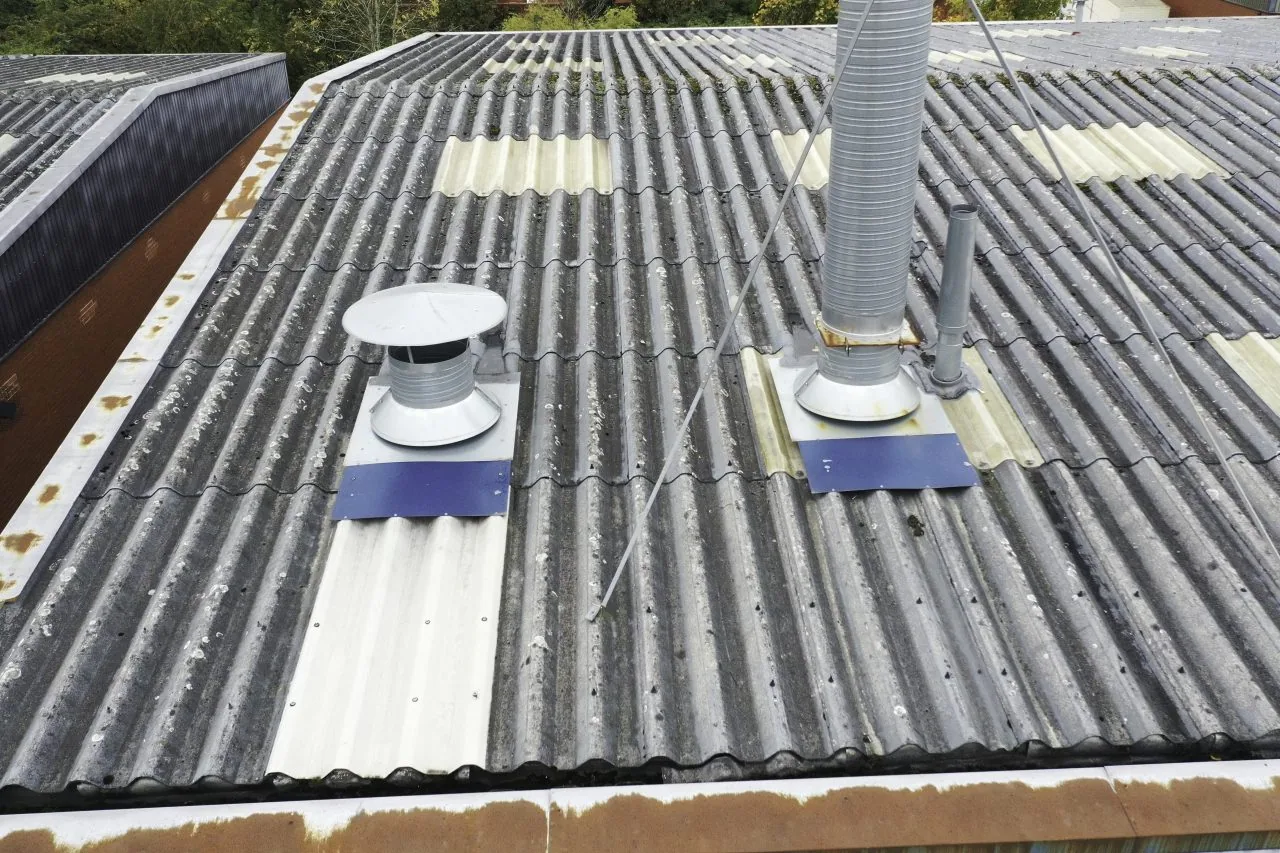
The system fits the exposure
A silicone coating system and an acrylic coating system have different requirements for substrate preparation, weather conditions and water exposure. We evaluate the complete proposed system, including primers and reinforced details where required. Product selection is tied to the roof condition and intended use, with the relevant application instructions informing the work. It is not based solely on a color, a general material category or the appearance of another building’s roof.
Hawaii’s persistent northeasterly trade winds affect the management of work areas and application conditions, while heavier winter rainfall makes an adequate weather window important. The crew assesses conditions for the specific operation and protects adjacent occupied areas from the work. Wind, surface moisture and impending rain can require a change in sequence. Owners should understand those scheduling dependencies before choosing a work period, including how partially completed details remain protected when application must stop.
Application leaves measurable records
Material quantities, coverage and required application stages are considered together. The work needs to achieve the selected system’s requirements across the field and at transitions, not merely consume a planned number of containers. We document relevant preparation and application checks, including locations where a detail requires additional treatment. Photographs of reinforced junctions before the field application help preserve an account of work that becomes less visible after the surface is finished.
Access protection also changes after application. Equipment technicians may need defined routes that avoid damaging the restored surface. For occupied apartment roofing, the work sequence accounts for resident access constraints and equipment serving the building. We identify areas requiring protection and explain when subsequent roof traffic can occur under the selected system’s requirements. The handover should make those operational conditions usable for the owner and the personnel returning to maintain rooftop equipment.
Restoration remains an ownership choice
Where the assessment supports retention, the proposal identifies the existing assembly, repaired areas and coating system as a connected scope. Where it does not, we explain the condition supporting removal and roof replacement or another appropriate option. That comparison considers concealed material, detail reconstruction and continuing building use. A smaller visible intervention is useful only when the assembly it retains has an adequate basis for continued service.
Owners in Makiki’s residential building area can retain the preparation photographs and completion record with future roof inspections. Later maintenance should distinguish ordinary surface wear from movement or separation in a repaired connection. We explain the details that merit observation and the compatible care required by the restored system. This record helps a later contractor understand the work completed, reducing uncertainty when an equipment change or new roof finding requires another decision.
Commercial Roofing Questions
Must damaged insulation be addressed before coating?
Confirmed damaged or wet material needs a defined response before restoration. We identify removal limits and the connection to retained roofing rather than treat coating as a repair for concealed deterioration.
What does an adhesion test establish?
It helps evaluate the proposed material’s bond to a prepared substrate at the tested location. Surface variation, existing treatments and contamination still need assessment across the work area.
Is a coating appropriate for every low-slope roof?
Suitability depends on the existing assembly, condition, drainage and selected system requirements. We assess those factors before presenting restoration as an alternative to broader roofing work.
Can roof traffic resume immediately after application?
Return to use follows the selected system’s curing and protection requirements. We identify the relevant restrictions and coordinate equipment servicing so early access does not damage the completed surface.
Why keep photographs of preparation details?
They show repairs and reinforcement before the final surface covers them. That record supports acceptance and provides useful context when future maintenance or equipment changes affect the same location.
Assess the retained assembly
Ask Commercial Roofers Honolulu to examine the roof condition and define whether preparation, repairs and a coating system support an appropriate restoration scope.
Tell Us About Your Roof
We will follow up to set up a time to walk the roof.

Request a Roof Assessment
Tell us about the building and what you are seeing. We will follow up to set up a time to walk the roof.