
A hotel roof issue can interrupt guest rooms, kitchens, meeting areas, or service corridors before the source is visible from inside. We identify the affected roof zone and the operating area below it, then plan an inspection path that keeps guests and staff separated from tools and materials. Waikiki includes resort hotels and older hotel buildings, while Downtown Honolulu has a different mix of modern and historic commercial properties. Those settings can call for different access windows and roof details, even when the reported symptom is similar. We record the visible condition, identify any concealed-layer question, and establish how an opening will be protected before removal starts. The resulting scope lets a property team weigh a localized repair against wider work without treating a guest-area stain as proof of the full roof condition. Our response is available around the clock, holidays included, for leaks that need prompt containment and a traceable closure record.
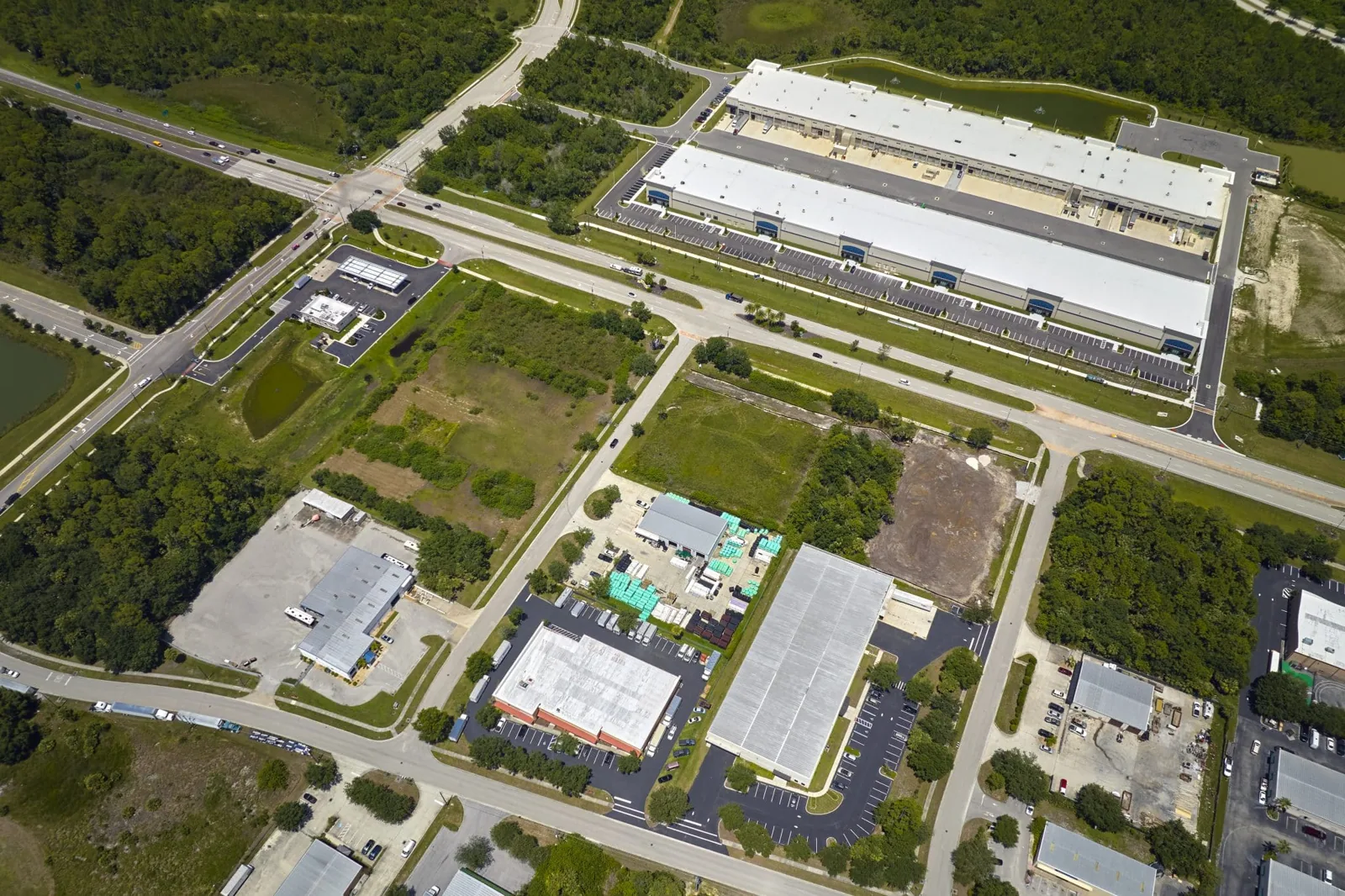
Trace water without disrupting a floor
Water can travel along a deck, insulation joint, pipe route, or ceiling cavity, so the room where it appears may not sit directly under the roof defect. We inspect accessible seams, parapet edges, rooftop equipment, drains, and penetrations, then compare those findings with the reported room and any maintenance history. A moisture survey can help target a selective opening where the concealed layer needs confirmation. We mark which findings are visible, which are inferred, and what test would settle the remaining question. That distinction helps an operator decide whether to isolate a room, reroute housekeeping, or schedule an opening during lower occupancy. For a fuller visual record, our roof condition report ties each image and observation to a marked roof area rather than a vague building-wide description.
Choose an access window that works
Guest arrivals, room turnover, kitchen receiving, and event schedules can make a single roof route more useful than another. We confirm the service entrance, lift position, hatch access, guest-facing paths, and any hours when noise or staging must be limited. If equipment is above an occupied wing, the work plan identifies which rooms or service spaces need notice and when they can return to normal use. The sequence also separates rooftop movement from public terraces and building exits. For a hotel in Waikiki, we confirm a material staging area with the property team; a commercial property near Bishop Street receives its own delivery review. The site contact helps set the practical limits before we choose the work sequence. occupied-building phasing can keep a repair zone and guest circulation from competing for the same corridor.
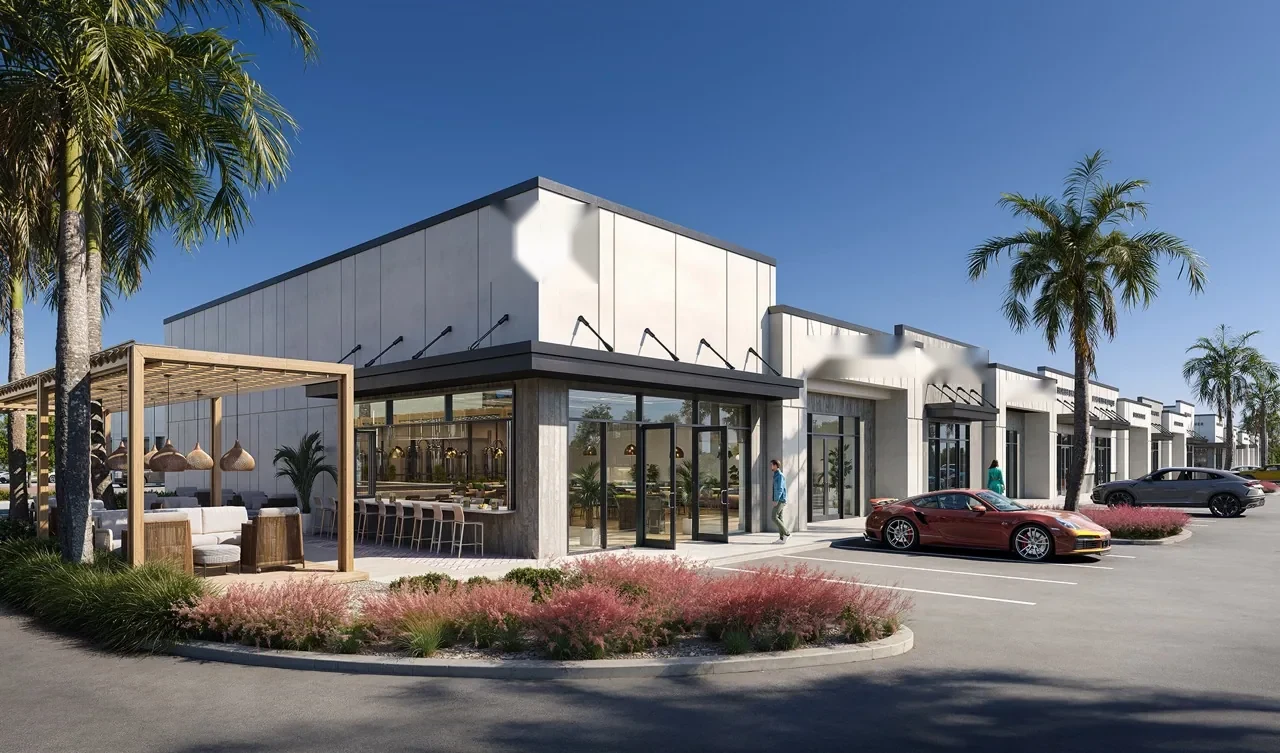
Protect the roof detail beneath the finish
Older hotel roofs may carry layers from several repair cycles, while a newer addition can meet an earlier roof at an edge or expansion joint. We review available plans and visible transitions, then identify what the crew can confirm without removal. If a test opening is needed, the scope states its location, maximum size, expected protection, and the condition that would require a revised authorization. Wet insulation, an unstable deck, or a discontinuous vapor-control layer can change what a durable repair requires. We photograph concealed layers before they are covered and record the actual materials installed. If an area is suitable for a coating or recover, substrate and drainage conditions still need to support that choice. The silicone coating option can be compared with repair or removal only after the existing surface and transitions are assessed.
Define the daily weather closure
Hawaii’s winter storms between October and April bring the heaviest rain, and persistent trade winds can affect exposed roof work. We set the removal limit and temporary protection method before opening the assembly, then record who checks the closure at the end of the shift. A hotel cannot leave a guest-facing room or kitchen exposed while a forecast changes. The work plan states which seams, penetrations, and edges must be secured before the crew leaves and how the site contact can confirm the finished condition. Coatings also need suitable surface conditions and cure time, so a schedule should not assume every application can continue after a shower. When an unexpected weather change narrows the available window, we stop at a safe boundary and document what remains for the next visit. The emergency roof response can address active water entry while protecting the rest of the planned scope.
Separate a room repair from a property plan
A localized repair may control water entry when surrounding membrane, seams, and insulation remain serviceable. Repeated leaks across different wings, wet materials beyond a single opening, or failing drainage details may support a larger program. We record those conditions by roof zone so a manager can compare urgent work with a future capital decision. Where a group operates more than one property, the record can distinguish a recurring assembly issue from a one-building transition detail. A portfolio does not make each roof identical; location, construction history, and use matter. The multi-property capital record and repeated-site roof tracking provide useful structures for comparing findings without merging unlike conditions. The next scope should explain removal limits, tie-ins, access, and closure before a team schedules guest communication or room changes.
Return the roof to operations
At completion, we provide dated photos arranged by roof zone, a description of the materials removed and installed, a closure check, and any remaining condition that warrants follow-up. A handover should show whether the original leak path was confirmed, whether the opening exposed a different assembly, and whether guest-area finishes need separate observation. We note the path of access used and any limitation that a future crew should know before returning to the roof. For a multi-building hotel property, each roof plan keeps its own labels, so an image of a drain or curb does not become detached from its location. A short maintenance visit after the next meaningful weather period can verify the repaired detail while allowing operations staff to plan access before the next work window.
Where an event or high-turnover period restricts access, we record the alternate work window and the person who can release the area. That note keeps a later visit from reopening a guest route without the current operations contact.
Commercial Roofing Questions
Can repairs be scheduled without taking a hotel wing offline?
We coordinate access and noisy work with the property contact, then identify any room or service area that needs temporary separation. The actual boundary depends on the roof location and safe route to the work zone.
How do you determine whether a guest-room stain came from the roof?
We compare the reported room with roof-level conditions and moisture evidence, then state what is confirmed and what needs a selective opening. The repair boundary follows the finding, not just the ceiling mark.
What should the daily closeout confirm?
The record should identify every open area, its temporary or final protection, and the person who checked it. Photos tied to a roof plan help the property team verify closure before the next shift.
When is coating appropriate for an older hotel roof?
The surface, seams, drainage, and concealed conditions have to support that option. We inspect transitions and test areas as needed, then compare coating with localized repair or removal in the written scope.
What information does a portfolio manager receive?
Each property receives a separate roof-zone record with photographs, materials, access notes, and follow-up conditions. Similar findings can be compared across sites without assuming every assembly needs the same work.
Plan hotel roof work around the property
Arrange a commercial roof examination in Honolulu, HI. We will map the affected area, set an access and closure plan, and provide a scope your operations team can review.
Tell Us About Your Roof
We will follow up to set up a time to walk the roof.

Request a Roof Assessment
Tell us about the building and what you are seeing. We will follow up to set up a time to walk the roof.