A hotel roof can affect guest rooms, kitchens and service areas at the same time, so the scope needs to identify where the assembly changes and how each opening will close. For a Johns Manville system review in Honolulu, HI, we begin with the roof condition, not a product label. Commercial Roofers Honolulu records exposed materials, seams, flashings and drainage, then states what remains unknown below the surface. Waikiki includes resort hotels, older hotel buildings and shops; lower Mapunapuna and Waiwai Loop are existing employment areas considered in Honolulu's airport-area planning. Those different uses call for a clear roof-zone map and a work sequence the owner can review before authorizing removal or repair. Emergency commercial response remains available around the clock, holidays included.
Separate product identity from condition
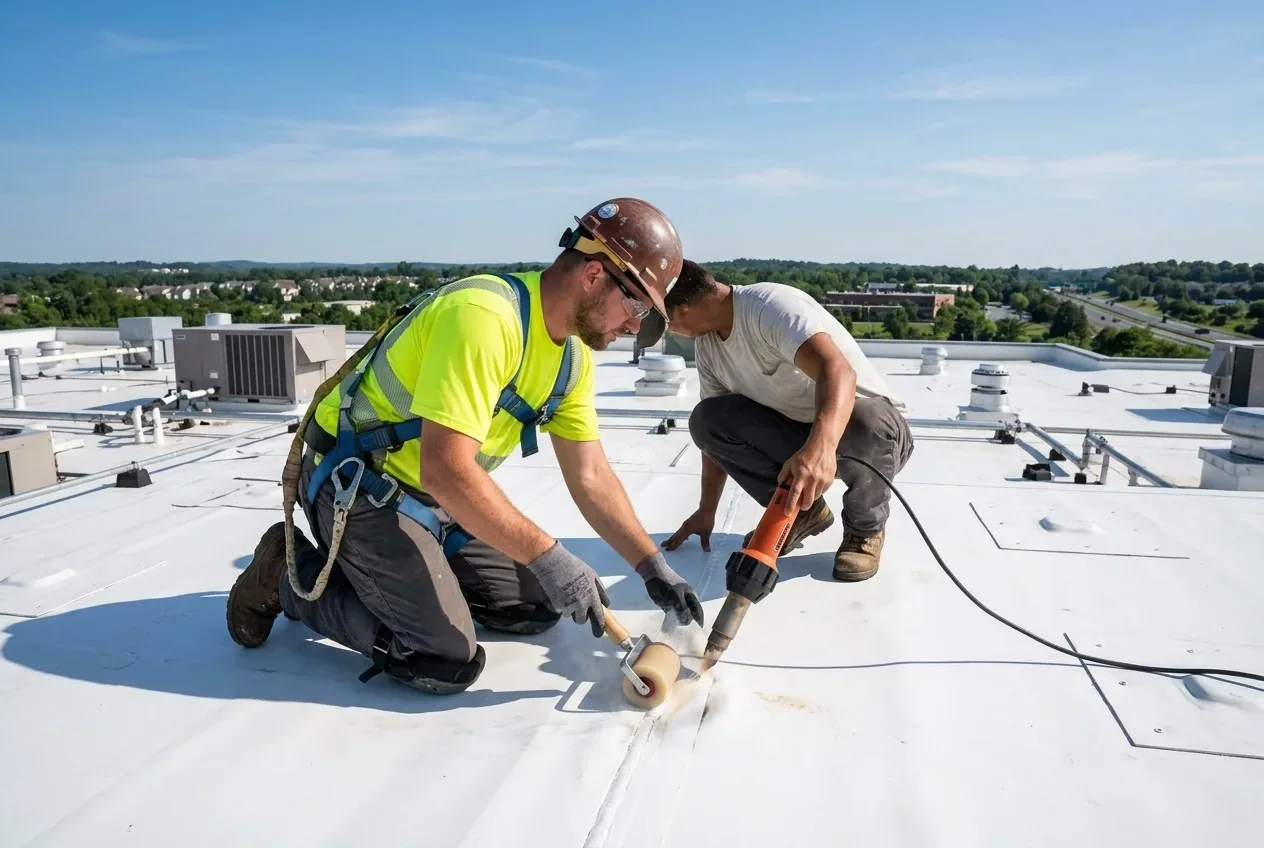
Johns Manville product records and exposed materials can help identify an installed system. We compare the roof surface and available project documents before selecting a compatible repair or replacement assembly. We inspect the exposed roof, compare it with project records and identify the limits of each observation. Membrane seams, bituminous surfacing, flashings and previous patches each leave different clues. If drawings or invoices identify a product, we still confirm whether the roof contains additions or repairs that created more than one assembly. The condition record should show the roof area, the observable evidence and the question that remains before a replacement system is selected.
Where the specification calls for a Johns Manville material, we review the intended system, attachment and compatible details with the existing substrate and drainage layout. A name on a schedule is not a substitute for checking insulation, cover board or deck conditions. When moisture is suspected, a survey can help direct selective openings; the opened materials then show whether they can remain. We compare a proposed Soprema assembly or Holcim Elevate system against the same observed layers, drainage, substrate and detail conditions before recommending a compatible scope.
Follow water beyond the visible mark
A stain indoors identifies a place to investigate, not necessarily the roof opening directly above it. Water can travel along a deck, insulation joint or framing before it appears inside. We trace likely paths from drains, seams, equipment curbs and wall transitions, then map the suspected areas before proposing a repair. In a hotel, a small wet area can affect an occupied space and nearby operations. The work order should identify access, interior protection, temporary containment and who receives an update if the investigation reveals a wider condition.
Drainage is part of the same diagnosis. We inspect strainers, drain bowls, scuppers and surrounding membrane for obstruction, ponding or failed connections. A repaired surface that leaves the water path unchanged may not address the source. If a local repair is appropriate, the scope identifies its boundaries and any nearby details that were checked. If evidence points to a broader affected assembly, we compare selective removal with replacement rather than extending a patch without a condition basis. A ponding-water investigation or commercial leak response can establish the next opening and record needed.
Protect the roof during the work window
August and September are Hawaii's warmest months, and temperatures can enter the 90s; severe storms, including hurricanes, are uncommon but possible. That heat exposure matters when a Johns Manville assembly is opened for removal or repair: the work plan must state material handling, temporary cover and daily closure without presenting a regional climate fact as a local forecast. We define how much roof will be opened, what temporary covering will be used, how it will be secured and who can pause the sequence if conditions change.
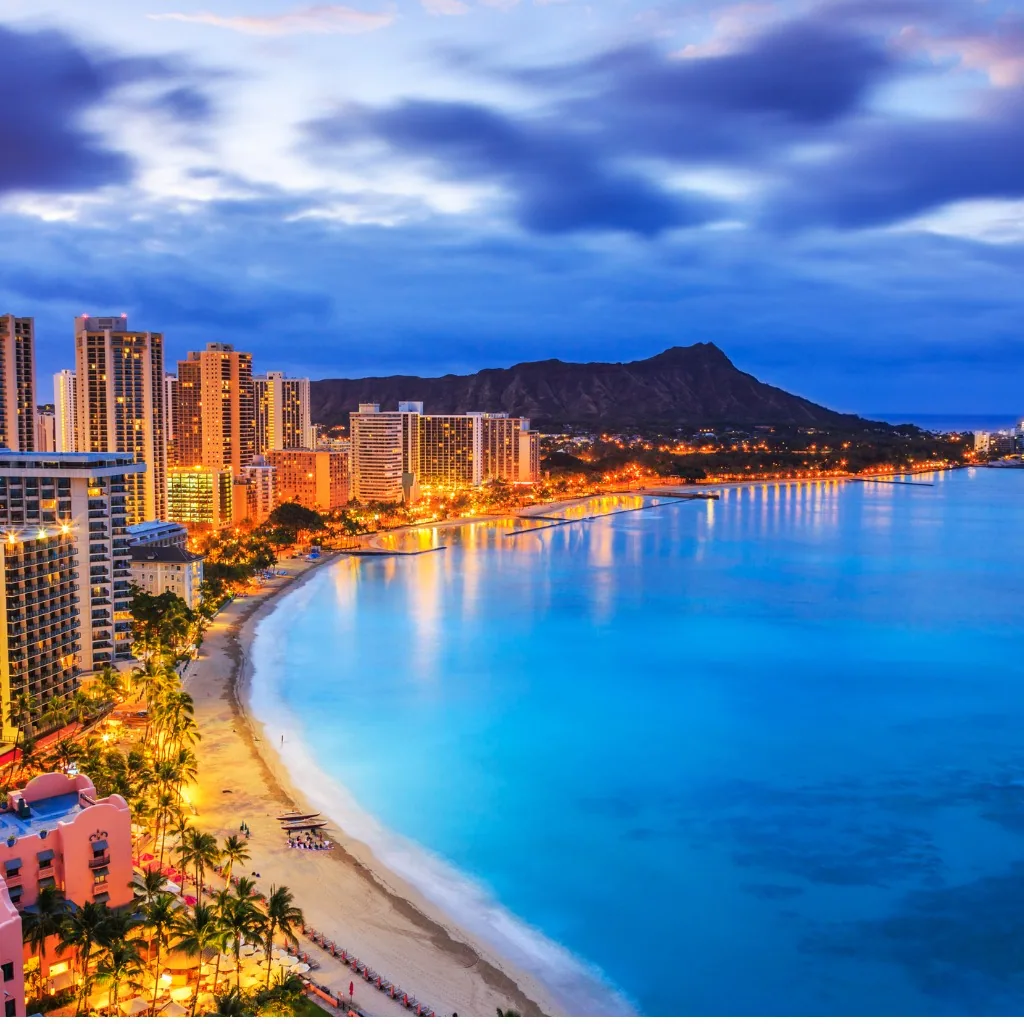
Waikiki hotel operations and the employment areas of Mapunapuna are not interchangeable. At a hotel, housekeeping, deliveries and guest access may set the acceptable work zone. In an employment district, business access or loading activity may govern the same sequence differently. We coordinate the schedule with the building contact, identify restricted paths and photograph the roof before and after each shift. The plan also records how water is kept out of the building while materials are removed. For membrane replacement, our replacement scope describes removal limits, substrate checks and closure steps, while emergency protection addresses an active opening that cannot wait for the full project.
Compare the work, not just the material
A repair may restore a defined seam or flashing while leaving surrounding material in place. A recover keeps more of the existing roof concealed and therefore needs stronger evidence that the layers are suitable to retain. Full replacement can expose the deck and allow wet or damaged materials to be removed, but it also brings a larger work area and more interior coordination. We set out these paths by roof zone, identify assumptions and state what could change after opening. An owner can then compare the work boundary, interruption, future maintenance and condition that each option addresses.
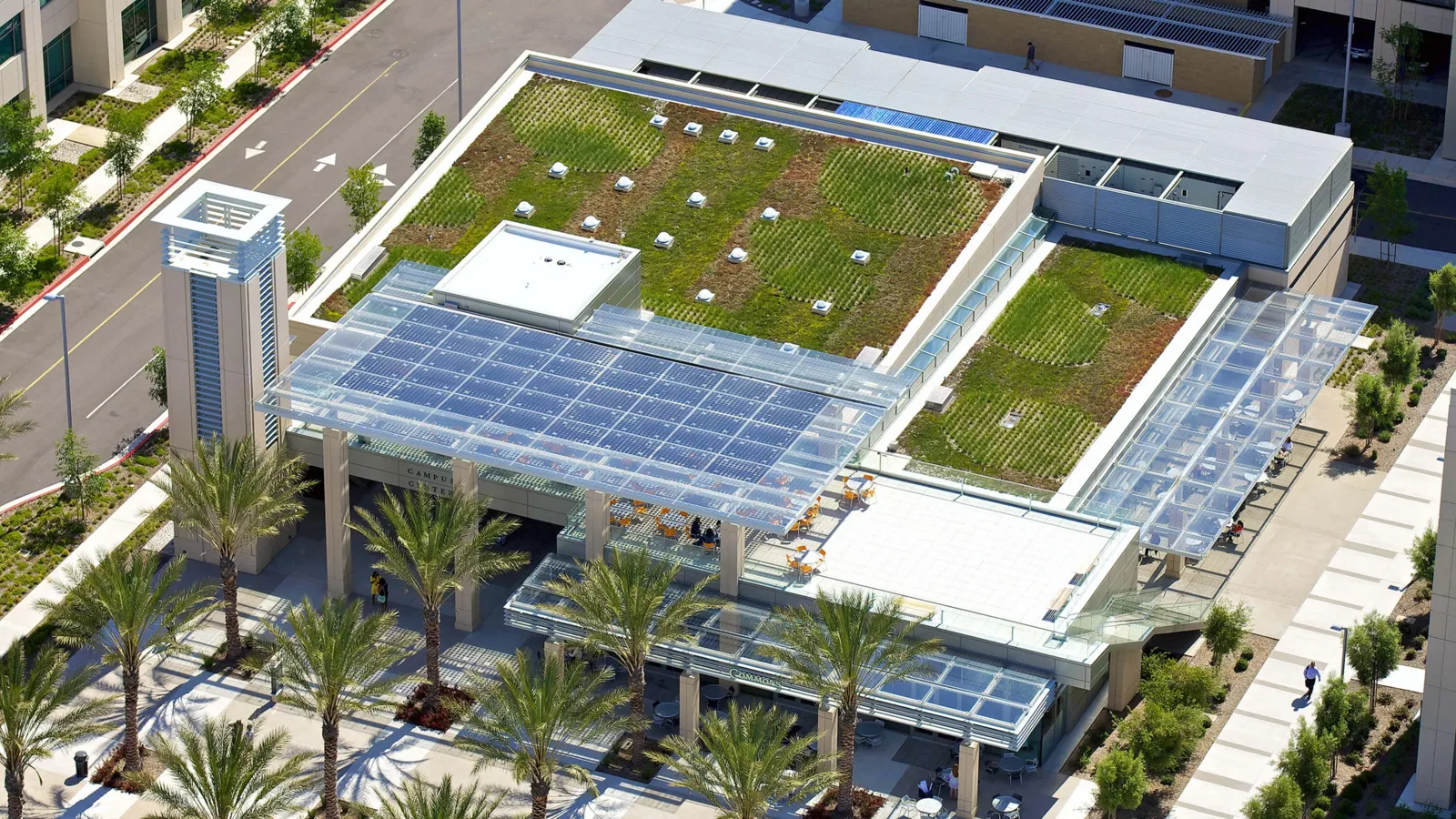
The chosen Johns Manville system should be considered with attachment, insulation, cover board, flashings and perimeter transitions included. The submittal should name the selected Johns Manville material and its support layers, fastening or bonding method, flashing components and terminations. We compare that list with the exposed deck and roof geometry before the owner accepts a final scope. We record the proposed assembly and keep any substitution subject to written review. A modified bitumen assembly and built-up roof scope can be compared with a membrane proposal where the building condition supports more than one approach.
Make the record useful after installation
Before mobilization, the proposal identifies roof areas, access, protection and the details included in the price scope, without promising that hidden conditions are already known. If removal exposes wet insulation or a damaged deck, we stop at the agreed boundary, photograph the material and describe the additional work for approval. The opening log preserves what was removed and what remains. During installation, the photo sequence follows substrate preparation, attachment, seams and terminations. At handover, the owner receives the assembly and maintenance information available for the installed system and a list of approved scope changes.
Future service is more useful when it refers to actual roof zones and observed details. We can track drains, flashing transitions and recurring leak locations through preventive roof maintenance. Owners who manage several buildings may connect those records across properties without losing the specific evidence for each property. To arrange a Honolulu commercial roof examination, share the building use, known interior effects, roof access requirements and available drawings or invoices. We will identify the next useful inspection step and put the work boundary in a form the owner can review.
Commercial Roofing Questions
How do you confirm a Johns Manville roof system?
We inspect exposed materials and details, then compare them with drawings, invoices or product records that are available. If earlier additions or concealed layers create uncertainty, we note the gap and use a selective opening when needed.
Can water travel before it reaches the ceiling?
Yes. Water may move along a deck, insulation joint or framing before it becomes visible inside. We inspect likely entry and travel paths, document the affected roof zones and identify the next opening that can confirm the source.
What does a recover leave concealed?
A recover can retain existing layers, so the decision depends on their condition, moisture findings, attachment and applicable requirements. Our scope identifies what remains and what evidence supports that choice.
How do you protect hotel operations during replacement?
We define roof work zones, access limits, temporary protection and the daily closure point with the building contact. Interior protection and delivery or guest routes are coordinated before an area is opened.
What records arrive at handover?
The owner receives the assembly information available for the installed system, photographs of concealed work, approved changes and maintenance observations. The record ties those items to roof areas so later service can start from known conditions.
Set the next roof decision from evidence
Arrange a commercial roof examination in Honolulu. We will map the affected areas, document what the assembly shows and prepare a Johns Manville scope where that system fits the findings.
Tell Us About Your Roof
We will follow up to set up a time to walk the roof.
Request a Roof Assessment
Tell us about the building and what you are seeing. We will follow up to set up a time to walk the roof.