A roof replacement can leave an owner with records under more than one product name. When a proposed scope names Holcim Elevate, a Honolulu, HI review begins by identifying what is installed now and what the work actually changes. Commercial Roofers Honolulu photographs seams, flashings, drains and transitions, then separates visible findings from concealed questions. Kapolei combines retail buildings with federal, state and county offices, while Kalaeloa is a broad leeward development district; those operating settings make access, daily closure and work boundaries important to a roof decision. We respond to active commercial roof problems at any hour, holidays included, and record what is needed before permanent work is selected.
Follow the product record
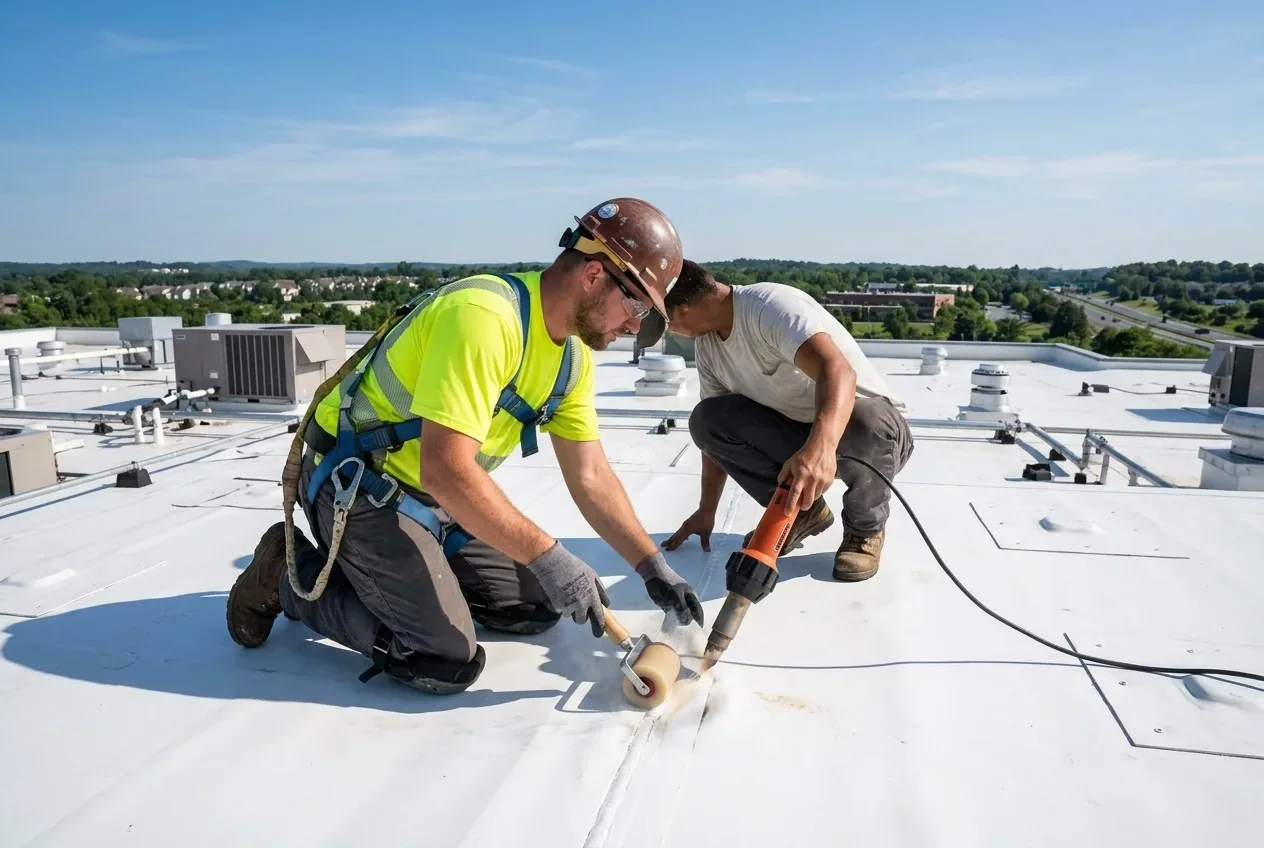
A product reference in a roof schedule, invoice or repair record is one part of the assembly history. We compare available documents with the exposed construction and identify discrepancies by roof area. A past product reference does not prove that every roof area uses the same membrane or that existing material remains suitable. Our condition record identifies the product evidence, the roof zone it concerns and any discrepancy that needs resolution before ordering a replacement system.
Where the proposed specification names Holcim Elevate, we review the complete assembly: membrane or surfacing, attachment, insulation, cover board, flashing details, terminations and edge treatment. Substitutions are not just a product swap when dimensions, fastening or connection details change. We state what needs manufacturer documentation or design review and keep the proposed scope tied to the condition observed. The same record discipline applies when comparing GAF commercial systems or Carlisle SynTec products, allowing an owner to compare complete roof assemblies rather than names alone.
Separate surface wear from concealed damage
Aged coating, split seam, loose termination or recurring ponding can indicate different problems. We map each condition by roof area, photograph the detail and inspect adjacent seams and drains before drawing a repair boundary. If a moisture survey suggests water below the surface, selective openings can show whether insulation or deck materials are affected. The reading guides the opening; the exposed material confirms what is present. We log the location, photograph the layers and explain how the result affects removal limits before the owner approves additional work.
That sequence prevents a visible patch from standing in for a system assessment. A repair may be sufficient when the defect is localized and surrounding materials remain serviceable. If moisture extends below a larger area or details have failed across multiple transitions, a replacement or restoration comparison may be warranted. We put the repair acceptance point in writing, including which seam, flashing or drain connection was corrected and what adjacent condition remains outside the scope. A commercial roof inspection can establish that map; wind-related detail review can help document displaced metal or membrane edges after a weather event.
Close every work area before the shift ends
Hawaii's rain exposure is not uniform: windward slopes receive a different pattern from leeward lowlands, and the October-to-April winter-storm season brings the heaviest rainfall. For a Holcim Elevate installation, the practical decision is how the crew will secure each unfinished edge and who can stop work when site conditions shift. The record should connect each exposed roof area with the product submittal and completed closure photos so the owner can review how the system was installed. Before opening a roof, we set the work area, closure time, temporary covering method and decision contact. The scope also explains how the crew will protect materials and secure incomplete edges if the planned weather window changes.
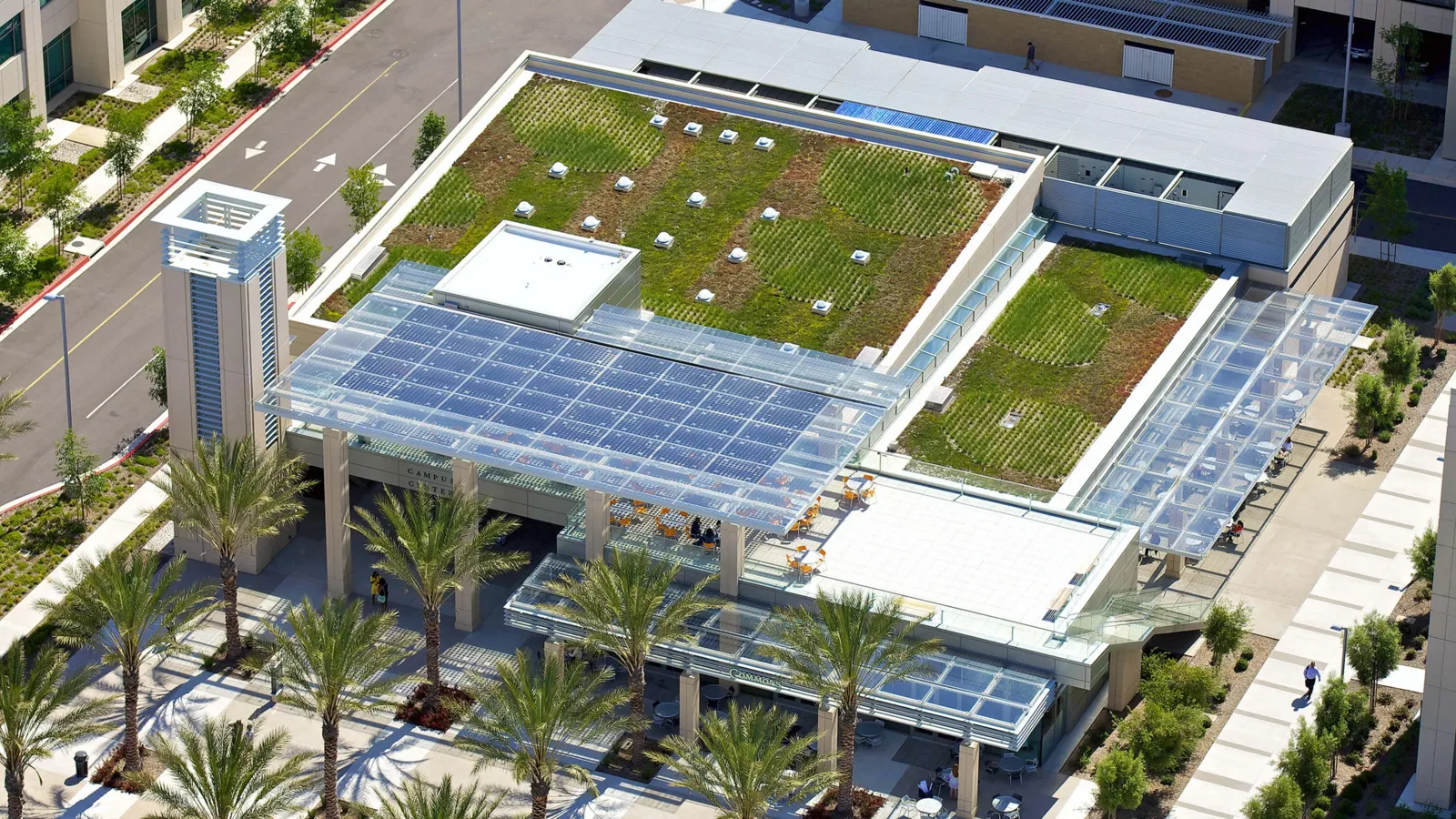
Kapolei's retail and office uses may call for protected entries, deliveries and occupied-area coordination. Kalaeloa's district-scale setting may bring different access and property boundaries. We plan those conditions with the building representative and record each area that is opened, repaired and closed. On a membrane replacement, a TPO system comparison should include transitions and daily closure, not just field material. Where the roof needs a restoration review, silicone coating scope is considered only after adhesion, substrate, drainage and detail condition are documented.
Choose a scope the owner can compare
A focused repair, recover and full replacement carry different assumptions. We identify which materials remain, how much roof is removed, what substrate checks are included and how concealed conditions change the work. A recover needs evidence that existing layers can be retained; otherwise the new system may conceal a problem the owner still owns. Replacement can expose the deck and allow wet material to be removed, while adding more interior protection and a larger work area. We set those options side by side by roof zone and describe their operational effect before an owner selects one.
The selected system documentation, local approvals and building condition each inform the project scope. A product submittal should be reviewed alongside the measured perimeter, deck type and curb details. We note where the manufacturer detail needs a project-specific transition or where an existing condition changes the proposed attachment, then keep the approval path in the scope record. We record attachment, edge metal, flashing and penetration requirements as part of the assembly. For a longer-term budget discussion, roof capital planning can connect observed condition and scope options to the owner's timing decisions.
Keep the installed system identifiable
During work, an opening log records each concealed layer before it is covered. The photo sequence follows substrate preparation, attachment, seams, flashings and terminations, with any scope change tied to the roof area and approval. At handover, the owner receives product information available for the installed system, a record of completed work and maintenance observations. The handover preserves product descriptions from the available records and connects them to the material actually installed.
That continuity matters for future repairs. A service call should start with the roof area, current product record and the detail that failed, not an assumption based on the company name on an old invoice. We can review drains, flashings and recurring entry points through preventive roof maintenance. For a property in Kalaeloa, share the building use, access requirements and available roof records when arranging an examination. Our scope identifies the necessary work and the findings that support it.
For each roof zone, the closeout can list the material description, attachment observed, transition details and work completed. If a record conflicts with the exposed assembly, the discrepancy stays visible for follow-up instead of being resolved by assuming a product label controls. That gives a future service visit a defined starting point and keeps later scope decisions tied to the construction actually found.
Commercial Roofing Questions
Does an older Firestone document identify a Holcim Elevate roof?
It may describe a product record from the earlier company name, but we compare the document with the exposed roof and any later repair history. We note what matches and what still needs confirmation.
Can the membrane be replaced without changing every roof layer?
That depends on the condition of the deck, insulation, attachment and existing membrane. We identify what can remain, where openings should confirm concealed layers and which removal boundary supports the selected scope.
How are weather interruptions handled?
The proposal states the daily closure point, temporary protection and who can approve a pause. We document open areas and complete a secure closure before conditions or the work window require a change.
What makes a coating option appropriate?
The substrate, adhesion, existing details, drainage and moisture condition all need review. We identify preparation and repair work required before comparing coating restoration with replacement.
What should we retain after a Holcim Elevate installation?
Keep the system submittal, approved changes, concealed-work photos, final assembly record and maintenance observations together. Those items help identify the installed materials when future inspection or repair is needed.
Put the system name beside the field findings
Arrange a Honolulu commercial roof examination. We will document the installed assembly, compare repair and replacement boundaries and prepare a Holcim Elevate scope only where the evidence supports it.
Tell Us About Your Roof
We will follow up to set up a time to walk the roof.
Request a Roof Assessment
Tell us about the building and what you are seeing. We will follow up to set up a time to walk the roof.