
A replacement proposal should show how the field material connects to every curb, drain and wall transition before a building owner approves the system. Commercial Roofers Honolulu reviews Soprema commercial roofing in Honolulu, HI, by mapping the existing assembly and the work boundary, then comparing product documentation with the roof condition. Waipahu's existing commercial activity along Farrington Highway and Haleiwa's role as the principal commercial center of Oahu's North Shore reflect different building settings, but both need roof scopes that can be inspected and closed by area. We document visible seams and details, identify concealed questions and set out how occupied use will be protected. Commercial emergency response is available at all hours, including holidays, when an opening needs immediate attention.
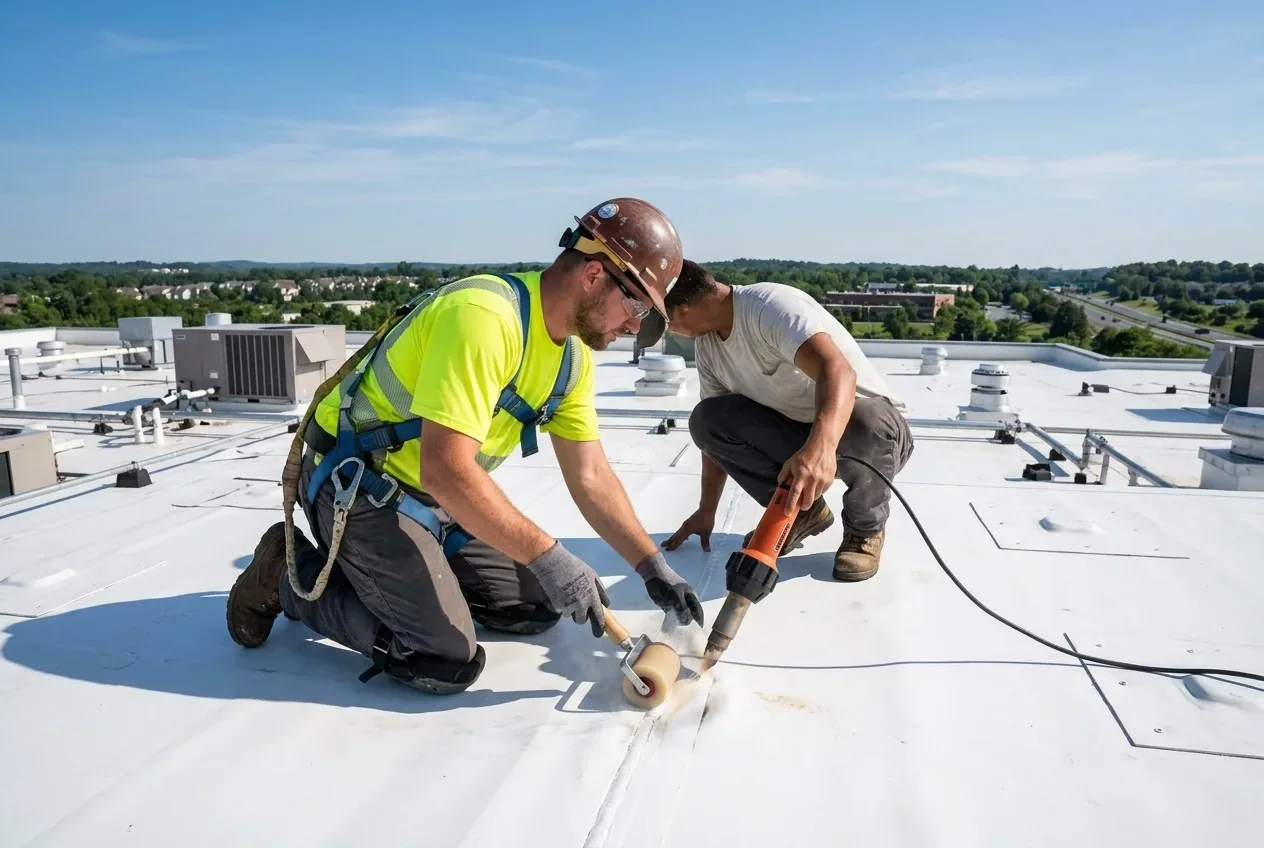
Match the named product to the detail
Soprema manufactures commercial roofing products, including membrane and liquid-applied materials. A product name on a submittal must be read with its intended use, substrate, attachment and transition details. We inspect the existing roof, review available records and keep unknown layers separate from confirmed material. If the specification calls for a liquid-applied flashing product such as Alsan, the scope still needs to define preparation, reinforcement, compatible surfaces and termination. A product label does not establish that the existing substrate is ready or that an adjacent membrane is compatible.
We document roof areas independently when additions, earlier repairs or different assemblies appear. The proposal identifies the work boundary and the evidence behind any decision to retain or remove a layer. A moisture survey can help direct selective openings, and the opening log confirms what was found below the surface. Owners comparing systems can review Johns Manville assemblies or Holcim Elevate specifications beside the same field record. The comparison should include insulation, cover board, attachment, flashings and perimeter treatment instead of stopping at the visible membrane.
Flashing needs a defined substrate
Liquid flashing and membrane details work only when the surface beneath them is suitable and the connection follows the intended system. At a curb or pipe, we inspect the existing flashing, the adjoining field membrane and the condition of the substrate before selecting a repair. At a parapet, we note height, termination and metal condition. At a drain, we check how the membrane meets the bowl and whether water can leave the roof. These observations determine whether a localized detail repair is sensible or whether surrounding materials need a wider review.
When new work meets an older surface, the interface should be described explicitly. We record preparation and reinforcement requirements, identify the material to be removed and name any point requiring manufacturer or design review. If the roof has several generations of patching, a generic “seal and coat” line leaves the owner unable to judge what was actually addressed. Our penetration flashing work and drain and scupper review connect each detail to a photographed roof area. Where seams have separated, seam repair documents the field condition and tie-in limits.
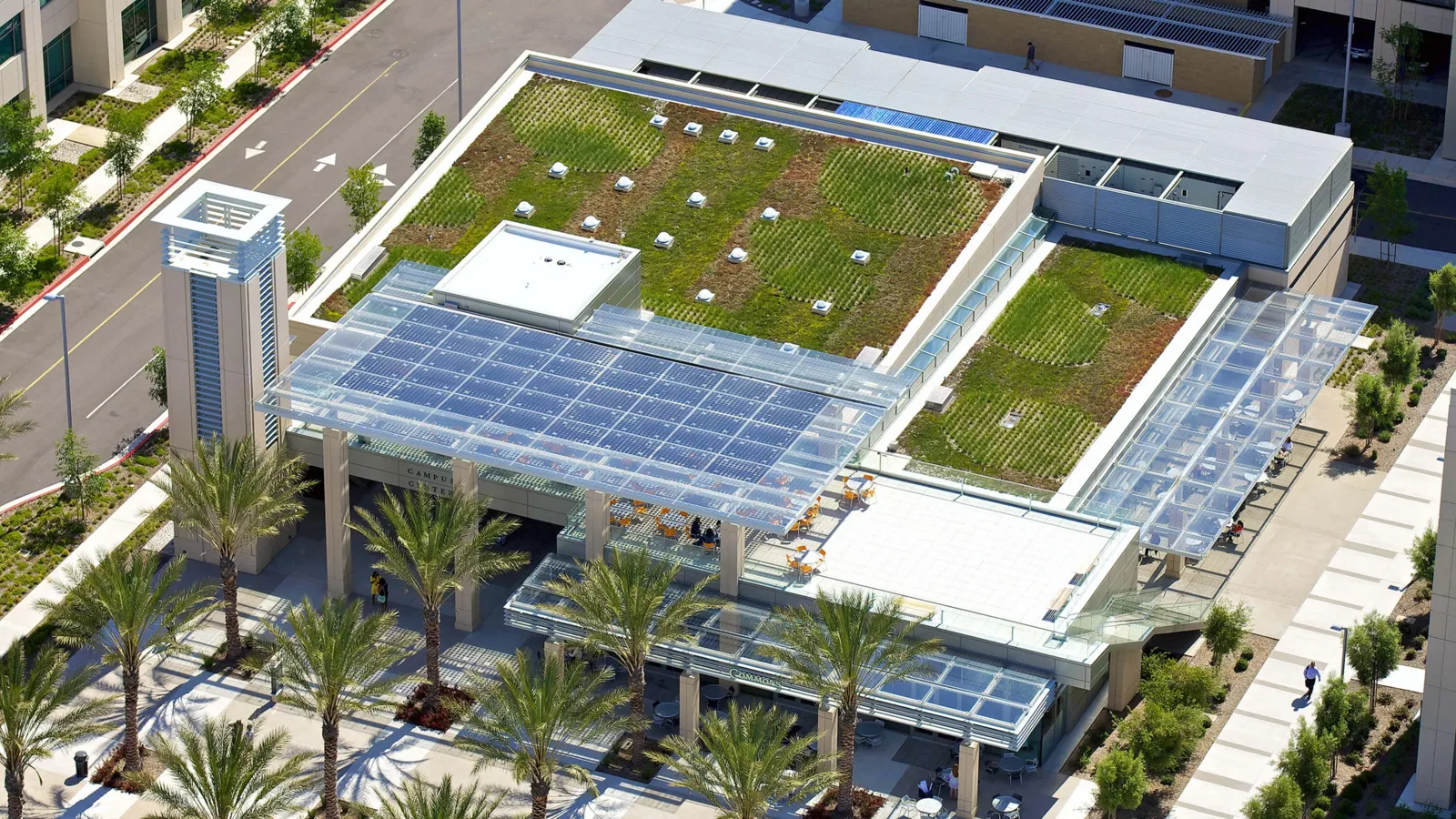
Protect each opening through closure
August and September are Hawaii's warmest months, with temperatures reaching the 90s; hurricanes and other severe storms are uncommon but possible. That seasonal heat is relevant when a Soprema liquid-applied detail needs preparation and curing time. We state the protection and closure plan, then confirm actual site conditions before application. We identify how much roof is opened, what protection will cover it and the person who can authorize a pause when conditions change. The daily closure point belongs in the proposal, alongside the method for securing unfinished seams and flashings.
Waipahu's commercial activity along Farrington Highway and Haleiwa's North Shore business center each bring operating schedules that a roof plan needs to respect. Delivery access, employee entrances or adjacent uses may affect how crews stage materials and isolate an area. We coordinate those constraints with the building representative, record the roof before work and photograph completed concealed details at closure. A Waipahu roof examination can consider its commercial corridor and roof access together; the building itself still determines assembly and condition. If an active leak cannot wait for a planned project, emergency roof protection addresses the immediate opening while a permanent scope is prepared.
Decide what stays below the new surface
Repair, restoration, recover and replacement are not interchangeable scope labels. A repair corrects identified defects and defines the material left in place. Restoration can extend service only when the surface and details are suitable for the specified preparation and coating system. A recover preserves more of the old assembly, so its decision needs evidence about moisture, attachment and retained layers. Replacement exposes more of the roof, can remove compromised material and brings a wider construction footprint. We present the boundaries and assumptions for each path so the owner can compare interruption, removal and future inspection needs.
A Soprema specification should identify the exact system components and the details that make it continuous. The product package should state the material, intended application and preparation requirements for the surface receiving it. We compare those instructions with the roof opening record and identify any detail that needs manufacturer review before the work proceeds. We state where system documentation is needed and keep any proposed substitution subject to written acceptance. For owners considering restoration, a silicone coating scope or modified bitumen assembly is reviewed against the same roof condition, not treated as an automatic alternative.
Keep product, opening and acceptance records together
Before work starts, the scope boundary identifies roof zones, included penetrations, access assumptions and daily closure requirements. If opening a roof reveals wet insulation or damaged deck, we log the exact area, photograph the layers and describe the change for approval. The owner should see the condition before it is covered or removed. During installation, the photo sequence records preparation, membrane or flashing application, terminations and transitions. Repair acceptance notes the completed area and any adjacent condition that was not part of the approved scope.
At handover, we assemble available product information, concealed-work photos, scope changes and maintenance observations by roof zone. Those records help distinguish a future defect from an area that was never included in the project. We can carry the same detail into preventive roof maintenance, checking drains, penetrations and repaired seams on a scheduled visit. Owners managing multiple properties may use capital planning records to compare condition and timing without merging different buildings. To arrange an examination in Haleiwa or elsewhere in Honolulu, share the roof access and operating constraints.
Commercial Roofing Questions
Can Alsan be applied over any existing flashing?
The substrate, existing material, preparation and system detail all need review before a liquid-applied product is specified. We record the connection and identify any compatibility or condition question that needs resolution.
Will a Soprema product name identify the installed roof?
It can be one clue in the record, but earlier repairs or additions may have introduced different materials. We compare visible conditions with available documents and note where a product remains unconfirmed.
What happens if removal exposes wet insulation?
We log the roof location, photograph the exposed layer and describe how the finding affects the removal boundary. The owner reviews the proposed change before additional material is removed.
How do you keep an opened roof protected?
The work plan specifies the opening size, temporary covering, daily closure point and contact for a weather pause. We document the secured area and the details completed before the crew leaves it.
Can a coating replace a membrane replacement?
Only when the surface, adhesion, moisture condition, drainage and details support the restoration scope. We compare required preparation and repairs with replacement so the owner sees what each choice leaves in place.
Connect the product choice to field evidence
Arrange a Honolulu commercial roof examination. We will identify the assembly, document the details and outline Soprema-related repair or replacement work against the condition found.
Tell Us About Your Roof
We will follow up to set up a time to walk the roof.

Request a Roof Assessment
Tell us about the building and what you are seeing. We will follow up to set up a time to walk the roof.