
A roof repair at an active installation must fit the authorized work zone, not merely the area where a leak appears. For an Army installation in Honolulu, HI, the scope identifies the examined assembly, authorized access boundary and closure step before roofing removal begins. The owner or contracting authority confirms current entry, escort and operating rules. Our proposal ties the examined assembly and selected materials to the authorized access sequence and the closure step required for that roof area.
Downtown Honolulu includes government and office activity, while Mapunapuna and Waiwai Loop have employment uses. The facility representative identifies the roof area for review and the current entry rules; we document the assembly and conditions within that authorized boundary. We compare available roof records with accessible details before recommending a repair, selective investigation or replacement. That record lets the owner authorize work against a defined roof area and a known operating constraint.
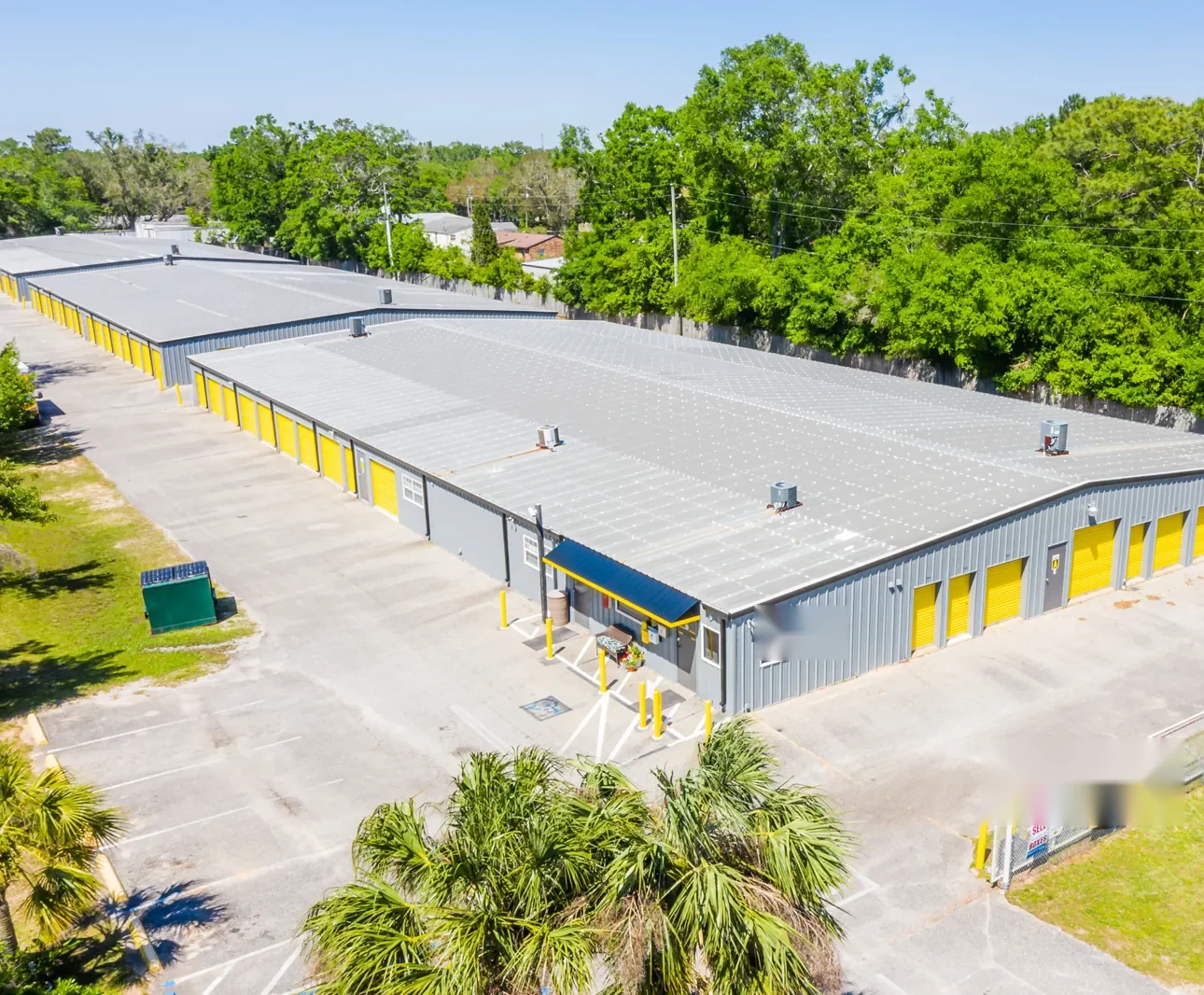
Authorization precedes roof access
Before mobilization, the project representative confirms who can enter, which route is approved, what equipment may be carried and where materials can be staged. Those requirements can change the sequence for inspection, tear-off, debris removal and final closure. We record the information supplied for the work and identify dependencies that need owner confirmation. A roofing scope does not grant facility access, approve a security exception or replace a separate operating authorization.
The project plan also identifies any area that must remain clear for vehicles, utilities or scheduled activity. The facility establishes those restrictions and communicates changes to the roofing lead. A delayed escort, closed gate or updated work boundary can affect whether an opening begins that day. If authorization changes before removal, the crew can keep the assembly intact and reschedule rather than create an exposed area with no approved route to close it.
Where the approved limit divides a roof into separate work zones, each area receives its own location reference. This helps the owner compare the proposed work with facility records and identify which roof surface remains outside the current authorization. A hands-on condition examination can document accessible defects before the owner sets the final work boundary.
Field findings define what is removed
Installation roofs can include older repairs, additions, equipment curbs and separate membrane or metal assemblies. We compare available drawings with accessible field conditions and note changes that could affect attachment, drainage or flashing. Where layers remain concealed, the owner receives the exact question a selective opening could answer. We photograph each selective opening and record its exposed material before setting removal limits for the inspected assembly.
If a survey indicates possible moisture below the surface, an infrared moisture assessment may help identify locations for direct confirmation under suitable conditions. The inspection plan states how readings will be evaluated and where an opening may be necessary. Confirmed wet material receives bounded removal instructions and a closure detail. If a deck, joist or support requires structural review, that work is referred to the responsible professional before new roofing conceals the condition.
Repair and replacement options follow what the examination establishes. A hangar roof assessment also needs a checked opening boundary, while the assembly can vary across additions and past repairs. We identify the assembly considered, the substrate it requires and the work at penetrations and transitions. The comparison remains limited to the documented roof rather than assume every building at an installation shares one construction standard.
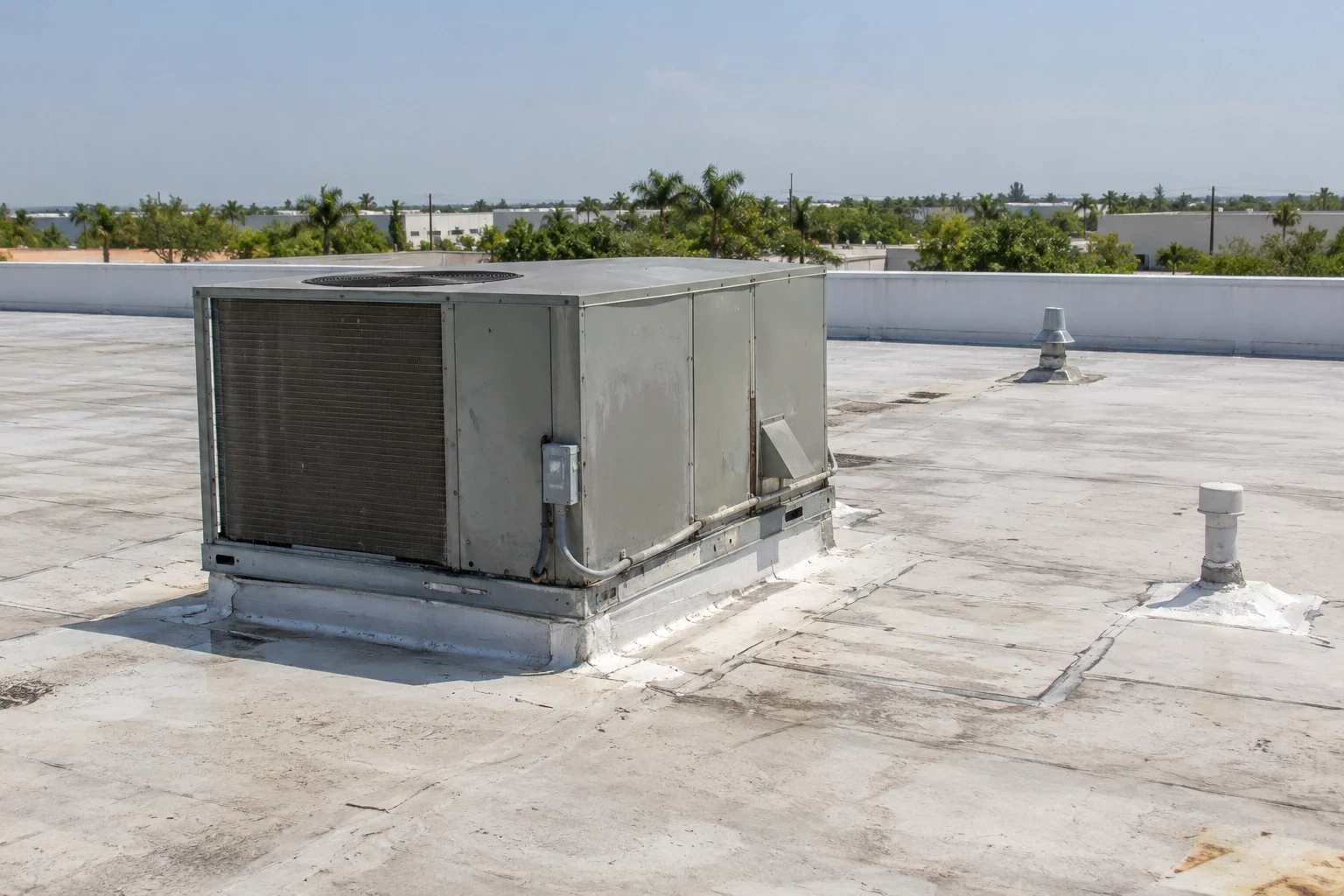
The phase boundary protects active use
Occupied offices, maintenance rooms and storage areas can have different restrictions below the roof. The facility representative identifies sensitive operations, allowed noise periods, equipment isolation and interior access limits. We translate those instructions into roof phases and a daily closure point. A large area is not opened simply because labor is available; the team first checks whether removal, inspection and permanent or temporary waterproofing can reach a secure stopping condition within the authorized interval.
Downtown Honolulu concentrates financial, commercial and government activity, while Kapolei combines retail uses with federal, state and county offices. The facility representative identifies which areas must remain available and who can authorize a change. The scope names where material movement or temporary restrictions may affect those uses.
Equipment that must be lifted, isolated or disconnected requires a responsible trade and a confirmed time window. A roof curb and support scope describes the waterproofing interface, while the owner coordinates the equipment work. This keeps roofing closure from depending on an unassigned task after membrane removal has started.
Weather windows govern exposed layers
Hawaii’s winter storms, generally the source of the state’s heaviest rain from October through April, make an installation’s exposure plan consequential. The crew reviews the forecast, the roof’s drainage path and the proposed opening size before removal. If the assembly cannot be closed within the available window, the work boundary can be reduced or the opening postponed. Temporary protection is specified before work begins, including its edge securement and the area it is intended to protect.
Persistent northeasterly trade winds also affect material handling and temporary securement. Conditions at the roof are evaluated when crews work, while the facility retains authority over mission schedules, equipment limits and access. A pause should leave a clear termination that can be checked before the next shift proceeds. The record identifies what was removed, what remains exposed and which temporary layer is protecting the work, giving the owner a practical basis to release or defer the next phase.
When water is entering an occupied area, around-the-clock emergency response can stabilize the affected roof while the permanent scope is prepared. The immediate repair and any later replacement remain separate decisions, with findings recorded for the owner.
The closeout preserves an inspectable record
Before concealed layers are closed, the opening log identifies the area, material found, removal boundary and connection installed. Photographs include a roof reference that the facility team can locate after the work is complete. If field conditions differ from the authorized scope, the owner receives the change and its effect on removal or closure before the work extends beyond that limit. Conditions that require another discipline are listed as unresolved rather than folded into a roofing completion statement.
The final package distinguishes completed repairs, temporary treatments and areas that were not accessible. A barracks roof phase may also require resident access coordination, a separate operating question from this installation’s approved work. A located condition report can support later maintenance by showing which details were examined and which layers were replaced. When equipment or a new penetration is planned, the owner can review that history before another trade changes the assembly.
Commercial roofs in Honolulu range from office settings in Downtown to employment corridors around Waiwai Loop. The roof record should still describe only the facility inspected. Arrange a scope review with a defined work zone, access plan and evidence for each proposed opening.
Commercial Roofing Questions
Who approves an Army facility’s access route?
The facility or contracting authority confirms the current route, escort and entry conditions. We use those instructions to schedule roof access and material movement.
Can the roofing crew decide which areas remain in operation?
The owner establishes operating limits and any spaces that must stay available. We connect those limits to a roof phase and closure boundary for the approved work.
What if the field assembly differs from the drawings?
The difference is recorded with its location and scope effect. A selective opening or separate review may be needed before the owner authorizes additional removal.
How is rain exposure handled during replacement?
The work boundary is sized to the closure capacity and current weather window. Temporary protection and a secure stopping point are identified before the crew opens the assembly.
How is prior roof work confirmed before removal?
Available drawings, repair records and accessible field conditions are compared. Where those records leave a material question, a selective opening can help the owner decide whether the scope needs adjustment.
Review the installation roof scope
Arrange an examination with Commercial Roofers Honolulu to identify the assembly, access dependencies, removal limits and closure evidence for the approved work area.
Tell Us About Your Roof
We will follow up to set up a time to walk the roof.

Request a Roof Assessment
Tell us about the building and what you are seeing. We will follow up to set up a time to walk the roof.