
Occupied rooms beneath a barracks roof make the repair boundary an interior-use decision as well as a roofing one. Commercial Roofers Honolulu assesses military barracks roofing in Honolulu, HI, by locating the reported condition, documenting accessible assembly details and setting out what must be opened to resolve concealed questions. The owner’s designated parties establish room access, resident movement and work restrictions. We use those requirements to define a roof stage that can be reviewed, protected and closed with a record of the work completed.
Hawaii’s trade winds persist through the year, while winter storms generally bring the heaviest rain from October through April. For occupied buildings, the weather window affects how long a roof area can remain open and how temporary protection relates to the permanent detail. Halawa is a mixed-use planning area with housing, working and retail uses; Kapolei also combines offices and retail buildings. These place facts describe Honolulu’s wider operating context, while each building’s actual roof condition and room use establish the repair plan.
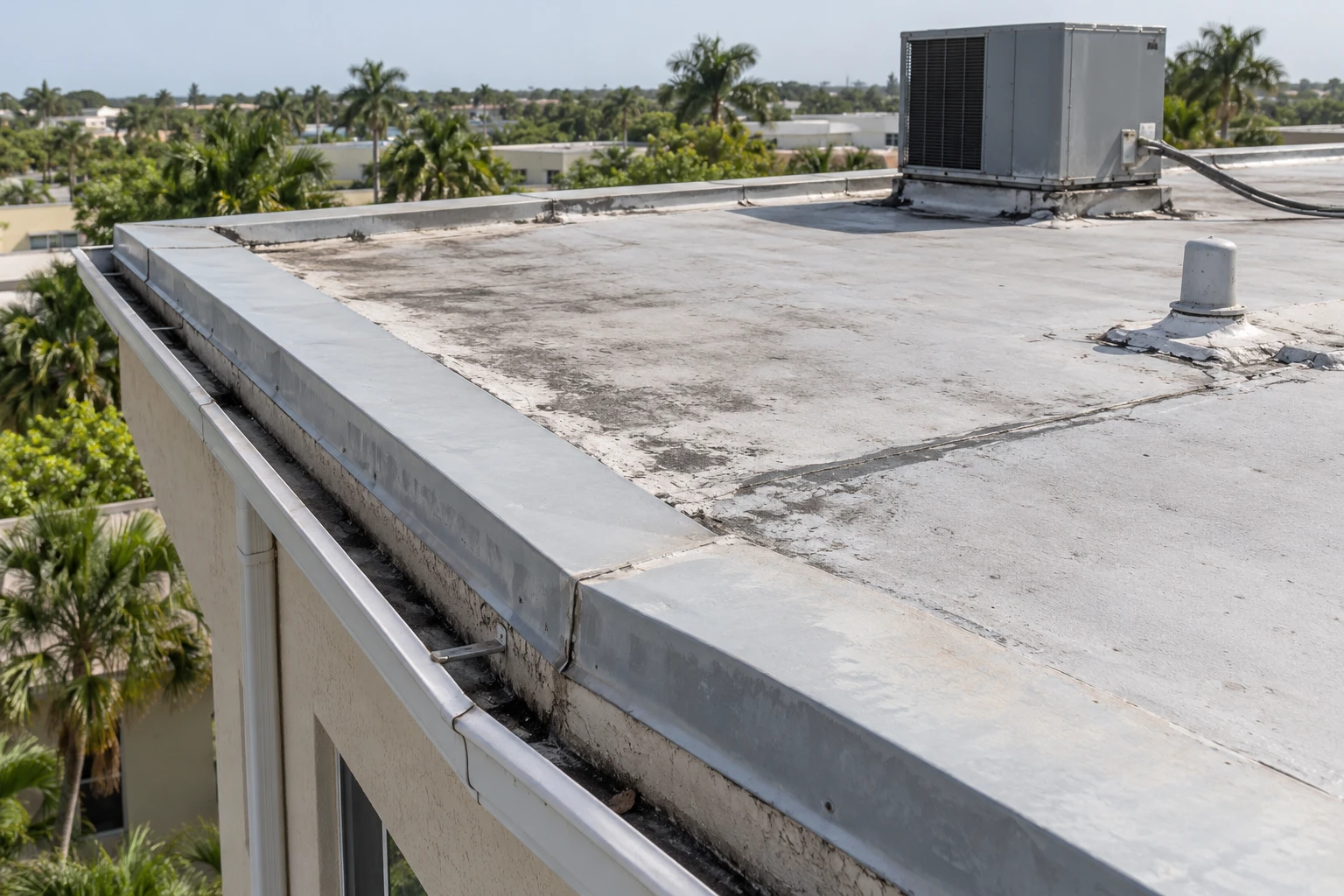
Room reports connect to roof locations
We begin with the reported room, the timing of water entry and any available photographs or earlier repair notes. Those details are compared with roof seams, penetrations, parapets and drainage points that could connect to the interior observation. Water can travel through concealed layers, so a repair directly above a ceiling mark may leave the entry path in place. The condition record identifies the evidence gathered and the roof area that remains uncertain.
Occupancy needs to be captured before an inspection or opening changes room access. The owner identifies spaces that must remain available, areas that can be temporarily restricted and any equipment that requires protection. We map those requirements to roof access and material handling, then identify whether the investigation can proceed in one stage or needs a smaller boundary. That keeps the proposal useful to the people coordinating the rooms and the people reviewing the roof findings.
Assembly evidence limits the removal
Older repairs, additions and equipment changes may leave different layers across one roof. We review available plans and service records, inspect accessible details and identify where selective openings would resolve a retention question. A moisture survey can help prioritize locations for confirmation when conditions support that method. The chosen opening then records membrane or panel, insulation, cover board and supporting material visible at that point, with the findings attached to a specific roof location.
Confirmed wet material or deterioration receives a stated removal limit and a suitable closure detail. We explain why adjacent layers remain or why a broader area needs review, rather than extend one opening’s result across roof sections that were not examined. This distinction supports a clear choice between localized repair, selective replacement and a larger project. It also gives the owner a photo sequence for the concealed construction that cannot be inspected after permanent materials are installed.
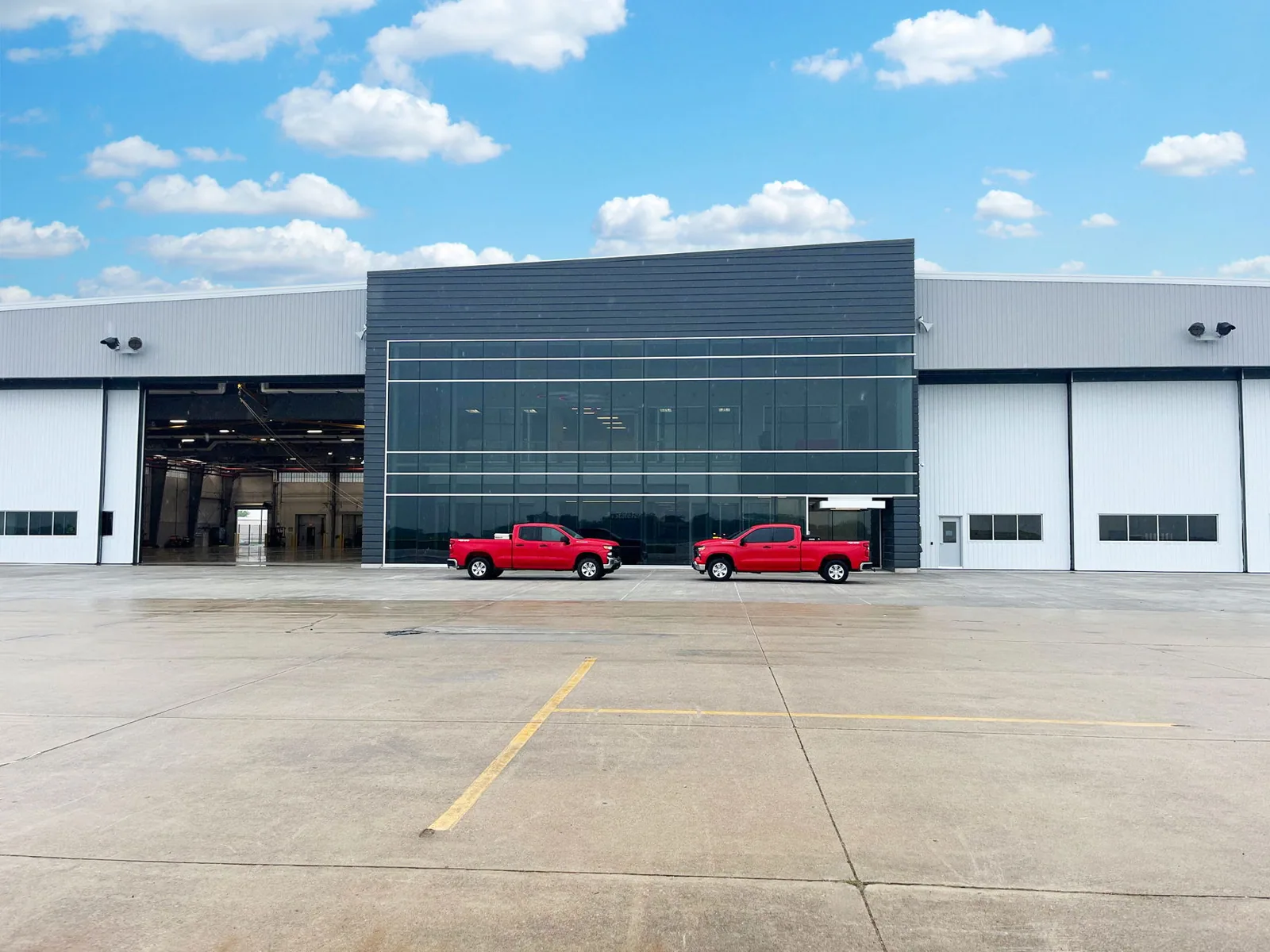
Occupied use changes the work sequence
Room schedules, quiet periods, access routes and temporary relocations are determined by the responsible owner. We describe which roof areas are active during each stage, where materials and debris will move, and when the permanent closure is expected. A phased reroofing scope for an occupied building can identify those dependencies without assigning the roofer control of resident decisions. If a room cannot be made available as planned, the boundary or timing may need adjustment before removal proceeds.
Roof drainage and equipment routes matter to continued operation as well. We identify outlets, curbs and service paths that must remain accessible or receive temporary controls while the work area is active. For comparison, apartment roof planning also ties openings to occupied spaces, while senior living roofing can involve additional owner-defined room and access requirements. The barracks scope stays tied to the specific property’s layout, scheduled use and accepted access plan.
Repair and replacement answer different findings
A seam separation, failed penetration flashing or localized puncture can support a targeted repair when surrounding layers remain serviceable. We record the repair area, preparation, compatible material and adjoining detail needed for closure. If the condition repeats across sections or selective openings confirm wider moisture, replacement may provide a more complete response. The written scope distinguishes what will be retained from what will be removed so the owner can compare work based on the actual assembly rather than on a surface appearance alone.
Membrane, metal and built-up roofs require different materials and installation details. A modified bitumen roof assembly, for example, calls for compatible ply and flashing transitions; other systems have their own seam or fastening requirements. We identify the existing and proposed assembly before pricing is authorized, including edge metal, drains, insulation and equipment interfaces. A roof leak repair can be considered alongside broader work when its findings show a defined, limited entry point.
Each stage ends at a protected boundary
Hawaii’s heavier winter rainfall makes temporary transitions and end-of-shift closure part of the construction scope. We set the opening limit around the details the crew can complete or protect within the expected work period. If removal reveals a concealed condition that changes the scope, we photograph it, describe the added work and preserve the opening until the owner’s review process directs the next step. The record shows how temporary protection connects with the accepted permanent closure.
At Halawa, planning anticipates housing, retail and working uses within a compact district, while Kapolei includes office and retail activity. Those facts do not define any building schedule; they illustrate why the owner’s actual routes and room needs must govern staging. We confirm where residents, staff, maintenance personnel and deliveries need access before materials are moved. Work areas and closure times are then described in terms the property team can coordinate with its daily operation.
The handover supports the next roof decision
Completion records identify repaired or replaced areas, retained layers, completed penetrations and drainage connections, along with accepted changes discovered during removal. Photographs show concealed construction before closure and connect each detail to the roof location. The owner receives outstanding items and separate trade responsibilities in writing. That handover makes later leak review more useful because a future observation can be compared with known work, rather than treated as if the roof had no repair history.
Preventive roof maintenance can use the installed assembly and repair record to plan compatible care. Condition reporting can keep later observations tied to the same roof areas and decisions. If occupancy, equipment or access changes, a new examination identifies what those changes mean for the roof. The prior record remains a reference for the work completed, while current findings establish the next repair or capital scope.
Commercial Roofing Questions
How are resident rooms considered before a roof opening?
The owner identifies room availability, restricted areas and protection needs. We relate that information to roof access, the proposed opening and its closure stage before removal begins.
Can a ceiling leak be repaired from the roof area directly above it?
Not without relating the room report to the roof details. Water can move through concealed layers, so we examine likely entry points and define the repair from the evidence gathered.
What changes a barracks repair into a replacement scope?
Repeated failures or confirmed deterioration across multiple areas can make a broader project appropriate. Selective openings and located findings show what remains serviceable and what removal the proposed scope requires.
How does the owner review a finding discovered during removal?
We document its location, condition and effect on the accepted scope, while maintaining suitable protection. The owner’s established review process determines whether added work is authorized.
Which records help with future roof maintenance?
The assembly record, concealed-layer photographs, accepted changes and completed detail locations help identify compatible maintenance and compare later observations with previous repairs.
Plan barracks roof work around documented use
Arrange a roof examination with Commercial Roofers Honolulu to locate the condition, define occupied-area coordination and set repair or replacement limits with a recorded closure plan.
Tell Us About Your Roof
We will follow up to set up a time to walk the roof.

Request a Roof Assessment
Tell us about the building and what you are seeing. We will follow up to set up a time to walk the roof.