A dealership owner needs roof removal planned against vehicles, customer access and the rooms served by each affected area. Commercial Roofers Honolulu assesses auto dealership roofing in Honolulu, HI, and coordinates commercial roof scopes across areas including Kapolei, Lower Mapunapuna and Waiwai Loop. We examine the actual building and identify its material and detail requirements before the owner establishes vehicle movement or operating restrictions. The proposal relates roofing stages to the property’s current use, avoiding an assumption that a showroom, office and service area can all accept the same construction arrangement.
Roofing work can affect exterior staging as well as the interior below an opening. The owner needs to know where materials are handled, which routes are shared and what protection the operation requires. We define those construction activities and the closure sequence before removal. The responsible dealership team then coordinates its inventory and occupied use through its own process, keeping vehicle decisions distinct from the roofing scope while making their timing clear.
Vehicle areas meet the construction boundary
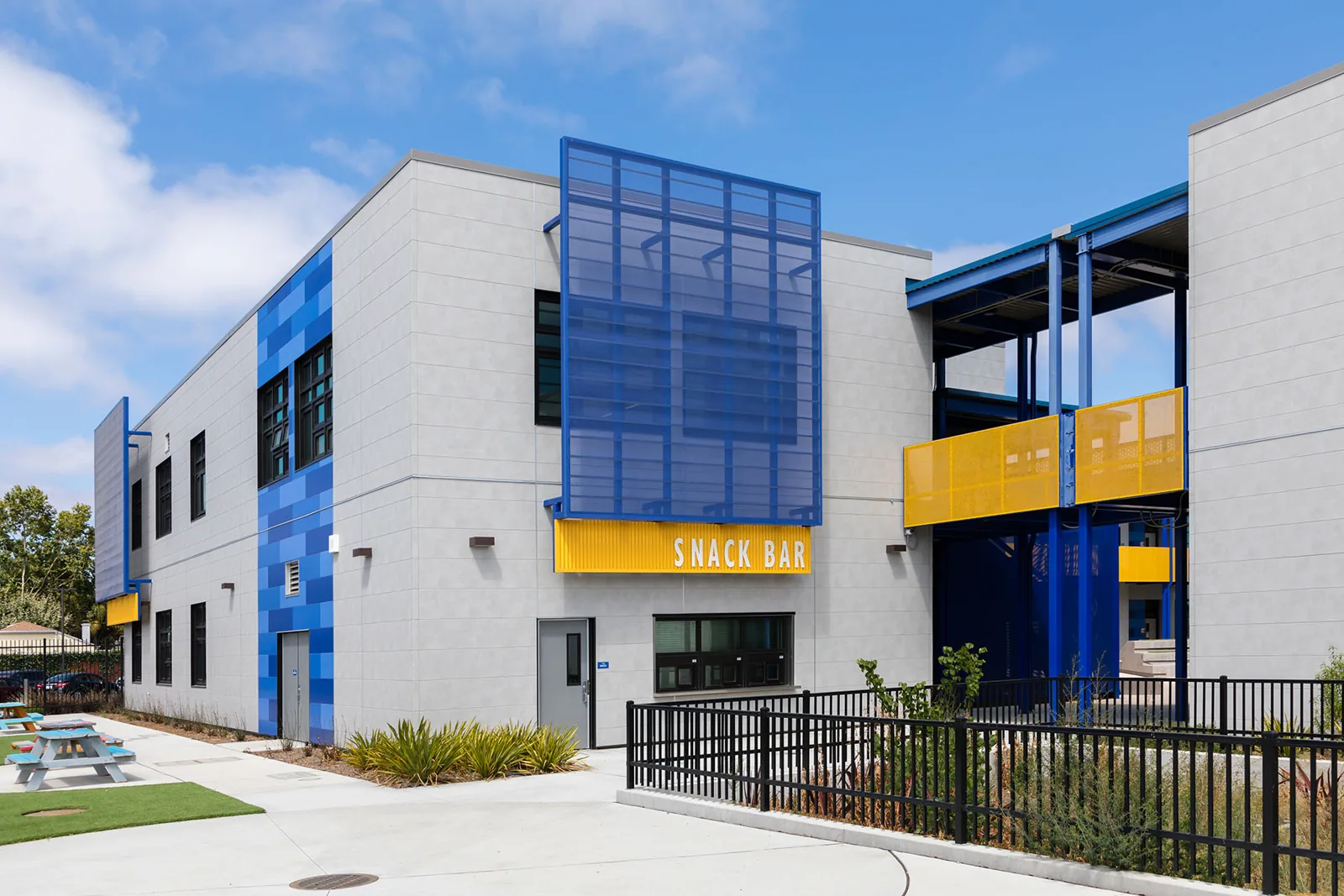
Material deliveries, debris removal and work at roof edges can require space also used by vehicles or customers. We agree staging locations and the restrictions needed for each operation with the owner. The plan identifies where components are handled and how removed material leaves the property. An open exterior area is not assumed available for roofing simply because it can be seen from the building edge.
The owner establishes vehicle relocation or protection appropriate to its inventory and use. We describe the roof work and areas affected so that decision can be made before construction begins. If the initial arrangement leaves a required operating route unavailable, the roofing sequence needs a different method or work period. Resolving that dependency in advance prevents removal from proceeding above or beside an area the owner has not released.
Roof access and equipment service routes receive similar review. The selected arrangement should permit the work while protecting retained roofing and occupied circulation. We identify locations needing compatible surface protection and any connection that must remain accessible during the project. The final layout also needs a practical route for later maintenance rather than place ordinary servicing in conflict with the completed waterproofing.
Showroom and service areas need separate questions
Interior observations are related to the roof using available plans and recognizable features. A leak in a finished customer area and moisture above a service space can create different operating consequences, while either still needs an established entry path. Dealership roof water-entry investigation examines the relevant connections before choosing the repair. The interior symptom is not treated as proof that the defect lies directly above it.
Separate roof areas may contain different assemblies after additions or earlier projects. A dealership roof condition assessment records those differences where they affect retention or material selection. Local surface damage is considered with surrounding condition and earlier repairs. Distributed deterioration or suspected concealed damage can require another scope, giving the owner a basis for repair or capital decisions beyond the visible leak location.
Selective openings establish concealed material where its condition matters. Their purpose, access and closure are agreed before examination. Confirmed wet insulation or deteriorated backing receives a defined material response. Supporting questions are identified for qualified input where needed. The proposal explains how new layers connect to retained construction, preserving a material basis for the repair instead of placing another weathering surface over an unresolved concealed condition.
Equipment work has a roofing handoff
Rooftop equipment and service penetrations, where present, need accepted component arrangements before the roofing is reconstructed. The responsible trades establish support and equipment requirements. Dealership equipment interface coordination identifies the waterproofing connection and prepared condition needed for closure. Known modifications are assigned in the sequence rather than left to disturb a new membrane after the field work is accepted.
Actual rooftop discharges or service exposures are reviewed against the selected material requirements. The owner provides the operating account and the equipment parties address continuing component issues. We identify the roofing preparation and repair consequence without presuming every dealership has the same exposure. A different roof material does not replace a separate task needed to control a discharge or stabilize a component affecting the waterproofing.
Large retail roof planning and production-building roof work involve related commercial functions with other restrictions. The dealership plan uses its actual showroom, office and service arrangements. We do not transfer an operating model from another property category without establishing the functions and responsible parties present at the building being assessed.
The assembly proposal identifies connected work
A standing seam dealership roof option requires panel, attachment and movement details appropriate to the selected system. Other suitable roof materials have distinct requirements. The owner reviews supporting construction, retained layers and the junctions being rebuilt rather than a panel description alone. Curbs, edges and outlets are coordinated with the new assembly before installation, including supporting questions needing the responsible project parties’ input.
Phased occupied commercial reroofing sets removal boundaries according to geometry, details and closure capacity. The removal plan allows for investigation or repair at concealed layers before the area can be closed above the showroom or service use identified. Additional exposure is reconsidered when a new material finding changes that sequence. Hawaii’s heavier rain generally accompanies winter storms, making the actual interval for exposed work important. A scheduled area is reconsidered when conditions reduce the ability to provide suitable closure above occupied use.
Interim connections are recorded with the work remaining for permanent completion. The owner can coordinate interior and exterior restrictions against finished areas and protected construction stages. New concealed findings are documented and presented with a proposed response through the agreed authorization route. The final assembly account retains accepted changes, explaining the material and detail work delivered before it becomes less visible below the completed surface.
The handover remains useful through operating changes
Owners coordinating roof work in Kapolei’s retail and office areas receive located material findings and completed connection photographs for the building examined. Separate equipment tasks retain their responsibilities, and outstanding interfaces are described. Maintenance personnel should know compatible repair and access protection requirements. A later equipment project can begin with that account and a current review where its arrangement changes the roof.
The maintenance account relates a recurring defect to its completed roof detail and the service activity near it. A changed vehicle or equipment operation may prompt review of the access and waterproofing interface. The resulting recommendation specifies the roofing task and any other responsible party’s work required. The owner retains a practical roof record for immediate weather protection and future expenditure decisions, keeping construction requirements connected to the vehicle areas and occupied functions the actual dealership continues to serve.
Commercial Roofing Questions
What exterior information is needed before dealership roof removal?
The owner identifies vehicle areas, customer routes and permitted staging. We describe material handling and the affected construction boundary so relocation or restrictions can be established before work begins.
Can showroom and service areas use one operating restriction?
Their actual use and equipment dependencies need review. The roofing plan identifies stages affecting each area rather than assume one arrangement establishes permission for every part of the building.
Why relate an interior leak to roof details before repairing it?
Water may travel within the assembly before appearing inside. Investigation establishes the relevant connection and material condition so the permanent scope follows evidence rather than a guessed surface point.
Who establishes a changed equipment arrangement?
The responsible component and project parties determine support and operating requirements. We coordinate the accepted interface and identify the preparation needed before waterproofing closure proceeds.
Which record helps evaluate a later dealership alteration?
Located assembly findings and completed details show the construction starting point. The proposed use and current roof condition still require review before new equipment, openings or access routes are accepted.
Map dealership roof work against actual use
Assess auto dealership roofing with Commercial Roofers Honolulu to establish material findings, vehicle-area coordination and the closure sequence for the proposed work.
Tell Us About Your Roof
We will follow up to set up a time to walk the roof.
Request a Roof Assessment
Tell us about the building and what you are seeing. We will follow up to set up a time to walk the roof.