Station operations can make a roof opening a scheduling decision as much as a repair decision. Commercial Roofers Honolulu examines coast guard station roofing in Honolulu, HI, and ties the proposed work to the accessible assembly, the affected interior use and a defined closure plan. Before removal, we identify what the condition record can support, which concealed questions need an opening, and where temporary protection must connect to permanent work. The responsible property parties establish site requirements and operating limits for the particular project.
Honolulu’s persistent northeasterly trade winds and moderate humidity make exposed materials and temporary transitions part of the scope discussion. Across Hawaii, the rainiest weather typically coincides with the October-through-April storm season. Conditions can differ sharply across short distances. That regional pattern informs the weather window, but the actual roof, forecast and operation decide how much work can safely remain open. A commercial roofing scope for a station property begins with those building-specific decisions, not an assumption about the construction or access arrangements.
The condition record sets the repair boundary
A roof examination relates reported water entry to seams, flashings, drains, penetrations and previous repairs that can be reached. The interior location is recorded alongside the exterior evidence because water may travel through the assembly before appearing below. A located condition examination distinguishes a repairable connection from wider deterioration and notes where visibility ends. That distinction gives the owner a scope with a stated boundary instead of an unlocated instruction to patch a broad area.
Where a leak recurs, photographs and earlier repair records can show whether the same termination or adjacent section has changed. We document each relevant observation and identify what further examination would resolve before proposing removal. If the assembly differs across additions, those areas are described separately. The record connects the finding to an action, such as repair, selective opening or a broader replacement review, so authorization follows the evidence available for that roof area.
Concealed layers need a defined investigation
Membrane condition at the surface does not establish the condition of insulation, cover board or deck below it. Infrared review can help locate areas that warrant confirmation, while a selective opening shows the materials at the chosen point. We set removal limits for that investigation and record the layer sequence, moisture or deterioration found, and the closure detail selected. The same evidence can support a decision to retain sound construction around a localized defect or expand removal where confirmed conditions require it.
A moisture survey is useful when its findings are tied to confirmation points and an owner decision. It does not replace direct examination where concealed condition changes the proposed work. We identify what remains unconfirmed and how that affects the scope, then preserve the photo sequence before the layers are closed. This gives reviewers a traceable basis for accepting repair limits or considering replacement, especially where the visible roof surface does not reveal its full assembly.
Material choice follows the existing assembly
Metal panels, single-ply membranes and built-up systems have different attachment, movement and edge details. A standing seam metal assembly calls for attention to panel movement, clips, penetrations and perimeter terminations; a membrane scope depends on compatible seams, flashings and substrate. We identify the existing system before selecting a repair material. A proposed overlay also needs a sound, suitable substrate and careful review of added height at drains, curbs and wall transitions.
The proposal separates field work from edge metal, drainage and equipment interfaces so a material selection does not obscure unfinished connections. If replacement is being compared with repair, the owner receives the removal limits, retained layers, new assembly and closure method in the same scope. Public building roof planning can involve similar records and approval controls, but the decision here follows the station property’s actual documents, condition and operating requirements.
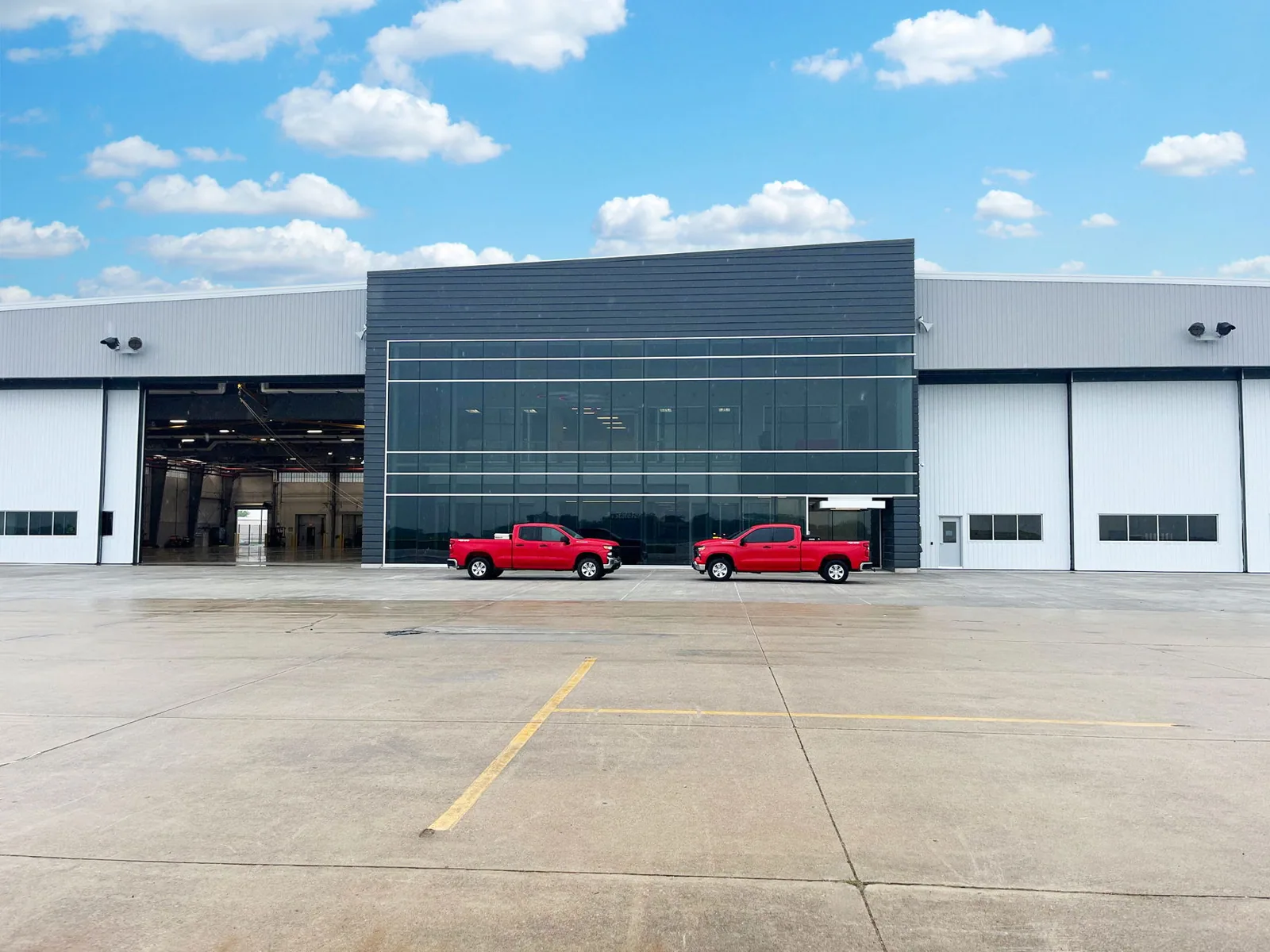
Where aircraft movement or maintenance access depends on roof-adjacent clearances, the owner identifies those operating controls before staging. An aircraft hangar roof detail plan can address similar door-edge and equipment interfaces, but this scope uses only the actual station property’s conditions. We record the interface, responsible trade and closure detail so the roofing decision remains tied to the assembly examined and the operation it protects.
Weather closure belongs in the work sequence
Hawaii’s winter rain pattern makes the planned opening and its permanent close important to each work shift. We identify a closure boundary that the crew can finish or protect if conditions change, including transitions at drains, curbs and parapets. When removal reveals a concealed condition that changes the scope, the record shows the finding and the temporary protection while the owner reviews the proposed response. The next phase proceeds against the accepted boundary rather than leaving exposed material without an identified handoff.
Work staging also accounts for material movement, roof access and the interior space below the active area. The property’s responsible parties define restricted routes and operational periods. We connect those limits to the roof sequence and note when a shift in access changes the feasible opening size or timing. For roof work near Sand Island’s harbor entrance, local industrial activity is a useful reminder to coordinate delivery and staging with the actual site; it does not establish any condition of a particular roof.
The handover carries findings into maintenance
At completion, the owner receives a record of the assembly observed, materials removed or retained, completed closure details and authorized scope changes. Photographs identify concealed layers before they disappear behind the finish. Any outstanding equipment, access or drainage interface is listed with its responsibility so acceptance of roofing work does not blur a separate trade’s unfinished task. The condition record can then support later maintenance, recurring leak review and capital planning for the areas actually examined.
A roof condition report can connect future observations with the completed work and the evidence used to set its boundary. Kalaeloa is a leeward Oahu district where land is held by multiple public agencies, an area context that makes clear why ownership and review paths must be established for each property. The roof plan remains specific to its owner, site requirements and accepted scope, with no assumed approval path carried over from another building.
Commercial Roofing Questions
What determines how much roof can be opened in one stage?
Roof geometry, the details at the boundary, the forecast and the ability to install a permanent or temporary closure all matter. We identify a workable limit and the owner’s operating constraints before removal starts.
Can a moisture survey establish which layers need removal?
It can identify areas for confirmation. Selective openings establish the concealed materials and condition at those points, which we document before setting removal limits or revising the scope.
What should the owner receive after concealed work is closed?
The photo sequence should identify the layers exposed, material removed or retained, and the detail installed. We include those records with the accepted scope changes and completed roof locations.
How are station operating requirements included in the proposal?
The responsible property parties define access, restricted areas and work periods. We relate those requirements to staging, material movement and the roof closure sequence so the proposed scope can be reviewed against actual use.
Does a visible leak establish the full repair area?
No. Water can travel before reaching the interior. We compare the reported location with accessible roof details and identify any further examination needed to define the entry path and repair boundary.
Set the station roof scope from recorded findings
Arrange a roof examination with Commercial Roofers Honolulu to document the assembly, identify concealed questions and define repair or replacement limits with a workable closure plan.
Tell Us About Your Roof
We will follow up to set up a time to walk the roof.
Request a Roof Assessment
Tell us about the building and what you are seeing. We will follow up to set up a time to walk the roof.