
A fitness property owner needs roof work connected to activity spaces, equipment and the occupied routes affected by each stage. Commercial Roofers Honolulu assesses fitness center and gym roofing in Honolulu, HI. Kaimuki combines residential buildings with a small-business district, while Mililani contains shopping centers, schools and community centers. Those settings put different activity spaces below the roof, but do not establish the material or condition of either assembly. We examine the actual assembly and use below it before defining investigation, repair or removal. The owner receives a practical work boundary that can be reviewed against scheduled activity, rather than an assumption that the building can operate normally beneath every roofing task.
A fitness building may contain several operating functions, with different requirements for continued use. The responsible owner team identifies them and establishes access or activity restrictions. We describe roof openings, material operations and closure so those decisions can be made before construction proceeds. The plan remains specific to the actual building, keeping a roofing proposal distinct from the operator’s separate control of equipment, indoor conditions and programs.
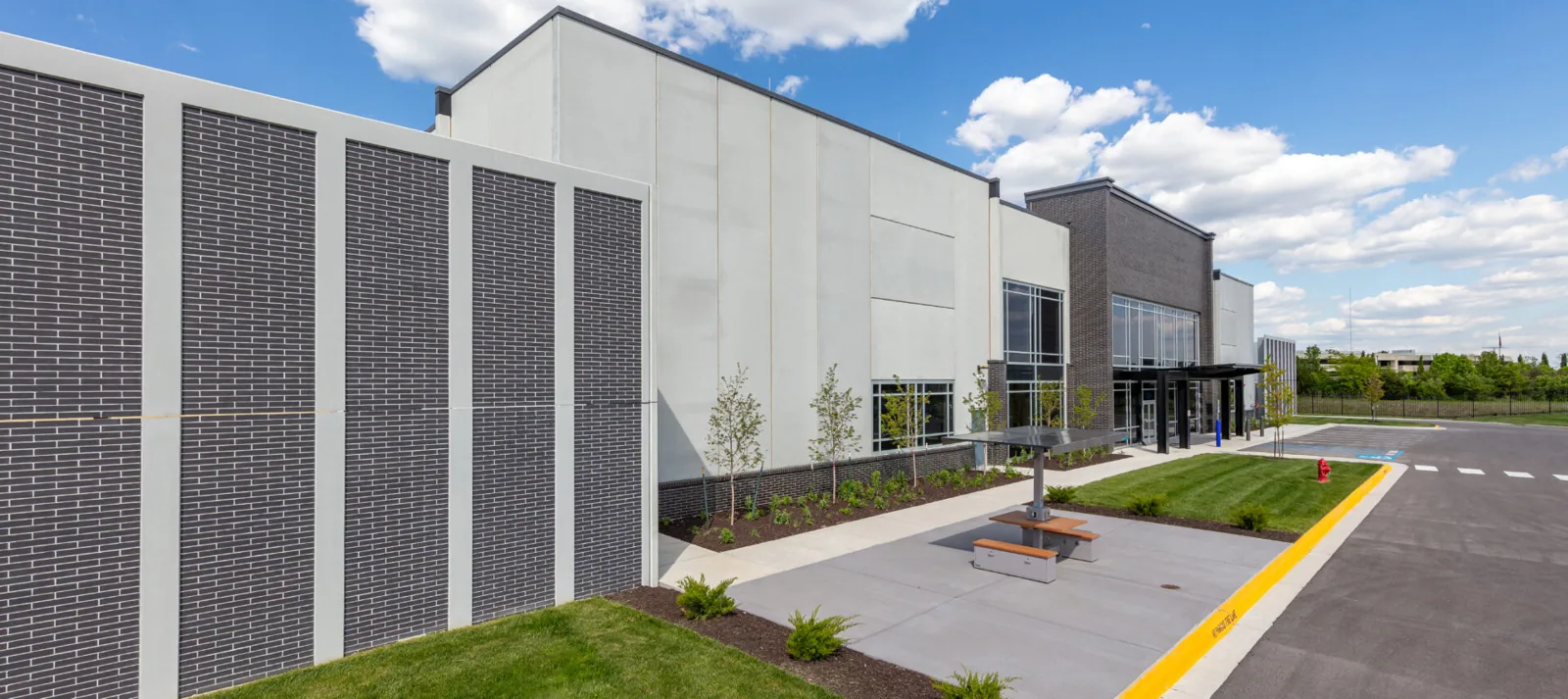
Activity areas define the operating questions
We relate proposed roof work to the locations the owner identifies below it. A room used for scheduled classes can have different availability from a regularly occupied circulation or equipment area. The owner reviews those uses and the restrictions required, while the roofing scope identifies the opening and construction method. A gap between activities is useful only when it accommodates preparation, execution and suitable closure of the work proposed.
Access, staging and debris routes are agreed before material arrives. Construction activity may intersect with staff, visitors or equipment movement. We identify where a restriction or protection is needed during each stage. If the initial arrangement conflicts with the owner’s operating requirements, the sequence is revised before removal rather than leave an open roof dependent on resolving an access issue after the work begins.
Educational activity-space roofing and shared retail building roof work involve related occupied settings but do not establish the fitness building’s permissions. The owner identifies its actual use and responsible parties. We connect the roofing stages to that information, preserving the specific work boundary needed for the classes, services or tenant activity present.
The moisture source needs a located finding
The owner records the affected activity space and compares the observation’s timing with rainfall and equipment use. Changes in that account help establish which roof or building question the next examination must address. A fitness building leak investigation examines the waterproofing where exterior water is suspected. Interior moisture can also involve equipment or envelope conditions, particularly where the actual building includes spaces with different humidity or temperature requirements. Those questions remain distinct until examination establishes the source.
We relate the observation to accessible roof features before selecting a permanent repair boundary. Water can travel within concealed construction, so a symptom does not automatically identify a defect directly above it. The record distinguishes the owner’s account from the roofing condition directly examined. Where another qualified party needs to assess an indoor or equipment condition, that coordination is identified rather than treat a surface patch as proof that the whole moisture problem is resolved.
A gym roof condition examination also assesses adjoining material and earlier repairs. Local damage, separated details and distributed deterioration can support different work. Concealed questions receive investigation where they affect retention or removal. Selective openings are planned with purpose and closure clear, giving the owner evidence for the next roofing action without an unsupported account of material hidden beneath an intact surface.
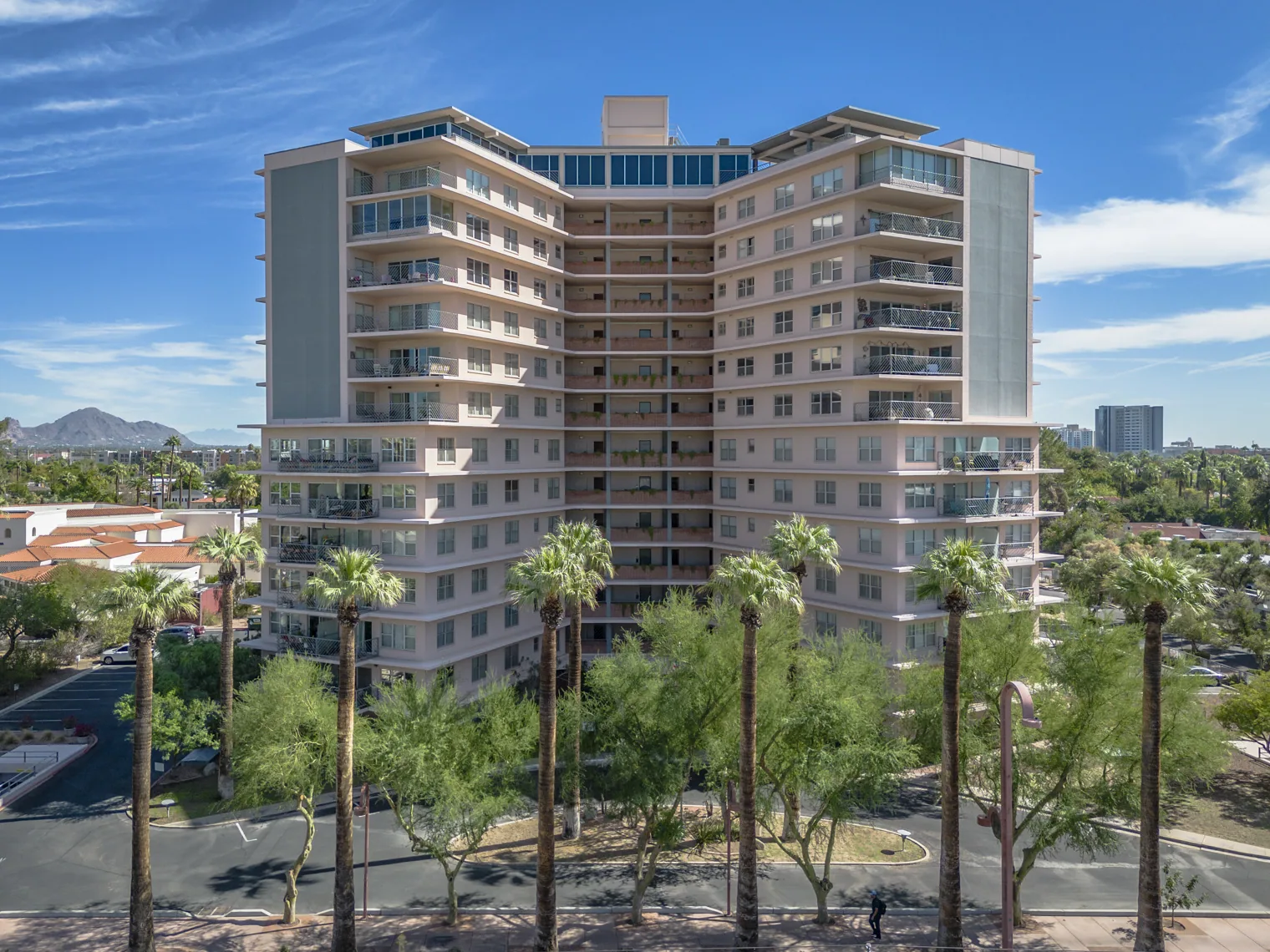
Equipment tasks are assigned before roof closure
Roof-mounted equipment and service penetrations, where present, need accepted component arrangements before waterproofing is reconstructed. The responsible parties establish supporting and operating requirements. Fitness building equipment roof coordination identifies the roofing interface and the preparation needed. A known component alteration is placed in the sequence rather than left to disturb a newly completed connection.
Service traffic can also affect the roof around equipment and access points. We examine damage or unsuitable protection and identify care appropriate to the selected system. A walkway arrangement should preserve a sound surface instead of concealing an unresolved puncture. Equipment placement also needs practical access to drains and repaired details. The owner retains those requirements for technicians returning to the roof after construction is finished.
The proposed roofing operation is explained alongside the specific activity area it may affect, including what material is removed or applied and when closure occurs. Where intakes or other sensitive locations affect the work, the responsible operating parties establish appropriate requirements. We provide the roofing operation and sequence information needed for that decision without making a blanket claim about every method’s effect on every activity space. The accepted plan then guides the actual stage.
The material scope includes its supporting layers
An EPDM fitness roof proposal includes the substrate, attachment and compatible seams or details. A comparison with another roofing option identifies its different layer and detail work through the actual proposal. Where investigation confirms wet insulation or damaged backing, the scope locates that material and explains its replacement junction above the affected activity area. Supporting questions requiring qualified input are identified before new material conceals the area. The owner reviews the retained and replaced assembly together rather than a membrane description detached from the condition below it.
Added thickness may change heights at walls, curbs and outlets. The proposal identifies reconstruction or component coordination needed to receive the new assembly. Replacement phases follow geometry, detail work and closure capacity, with the owner’s actual activity restrictions related to each area. Temporary connections are recorded with their remaining permanent work, keeping operating decisions aligned with finished roofing and protected construction.
Peak warmth in Hawaii typically arrives in August and September, when temperatures can enter the 90s. Severe storms, hurricanes included, remain uncommon but possible. Actual working conditions remain relevant to material preparation and the planned operation. We assess the proposed stage and suitable protection for any roof opening. General seasonal weather does not establish the building’s indoor conditions, which the responsible owner and equipment parties review separately where they affect use during the project.
The operator retains a useful roofing history
Projects coordinated in the Mililani area receive located findings and completed detail records for the building examined. Accepted material or boundary changes remain with the scope. Separate equipment work retains its responsibilities, and outstanding interfaces are identified. Future alterations can begin with known construction and a current condition review where a new use or component affects the roof.
Fitness property roof maintenance can compare later surface and detail findings with earlier repairs and service activity. A recurring detail defect is assessed with its earlier repair and any operating change that affected the connection. The maintenance response identifies the material task or further investigation needed, with suitable protection for the service routes continuing above the activity spaces. The owner retains a practical basis for coordinating occupied activity with current repairs and future roof expenditure.
Commercial Roofing Questions
What activity information helps establish a roof work period?
The owner identifies affected spaces, routes and scheduled use. We describe preparation, openings and closure so the available interval can be reviewed against the actual construction stage.
Does indoor moisture always establish exterior roof entry?
Its source needs investigation. Roofing, equipment or envelope conditions can require different responses, with direct roof findings kept distinct from questions needing another qualified assessment.
Why coordinate equipment changes before repairing nearby flashing?
The component arrangement and assigned tasks can control the waterproofing detail. A known alteration should be resolved in the sequence so completed roofing does not depend on an undefined later return.
Can a walkway cover a damaged membrane location?
The defect requires an appropriate repair before protective routing is installed. Access protection preserves a suitable surface rather than substitute for correction of unresolved waterproofing damage.
Which record supports the next change in fitness-building use?
Located assembly and detail information provides the construction starting point. The proposed operation and current roof condition still need review where they change equipment, access or the waterproofing interface.
Connect fitness roof work to actual activity areas
Assess fitness center roofing with Commercial Roofers Honolulu to establish moisture findings, equipment stages and the repair or replacement sequence appropriate to the building.
Tell Us About Your Roof
We will follow up to set up a time to walk the roof.

Request a Roof Assessment
Tell us about the building and what you are seeing. We will follow up to set up a time to walk the roof.