
A roof on an operating waterfront property has to keep its weather boundary intact while maintenance, storage and movement continue below. Commercial Roofers Honolulu examines the actual roof assembly, then relates each proposed repair or replacement step to confirmed entry rules and a closure limit the owner can review. The facility authority establishes entry and operating requirements. Our roofing plan identifies membrane, metal, drain and penetration work alongside the closure sequence and boundaries the owner can review.
Downtown includes Honolulu’s civic and office buildings, while Iwilei has commercial, industrial and harbor activity. Sand Island is a broad area at the harbor entrance with varied industrial uses. The facility representative sets current operating restrictions, and our field examination records the assembly and condition within the approved work boundary to support a repair or replacement decision.
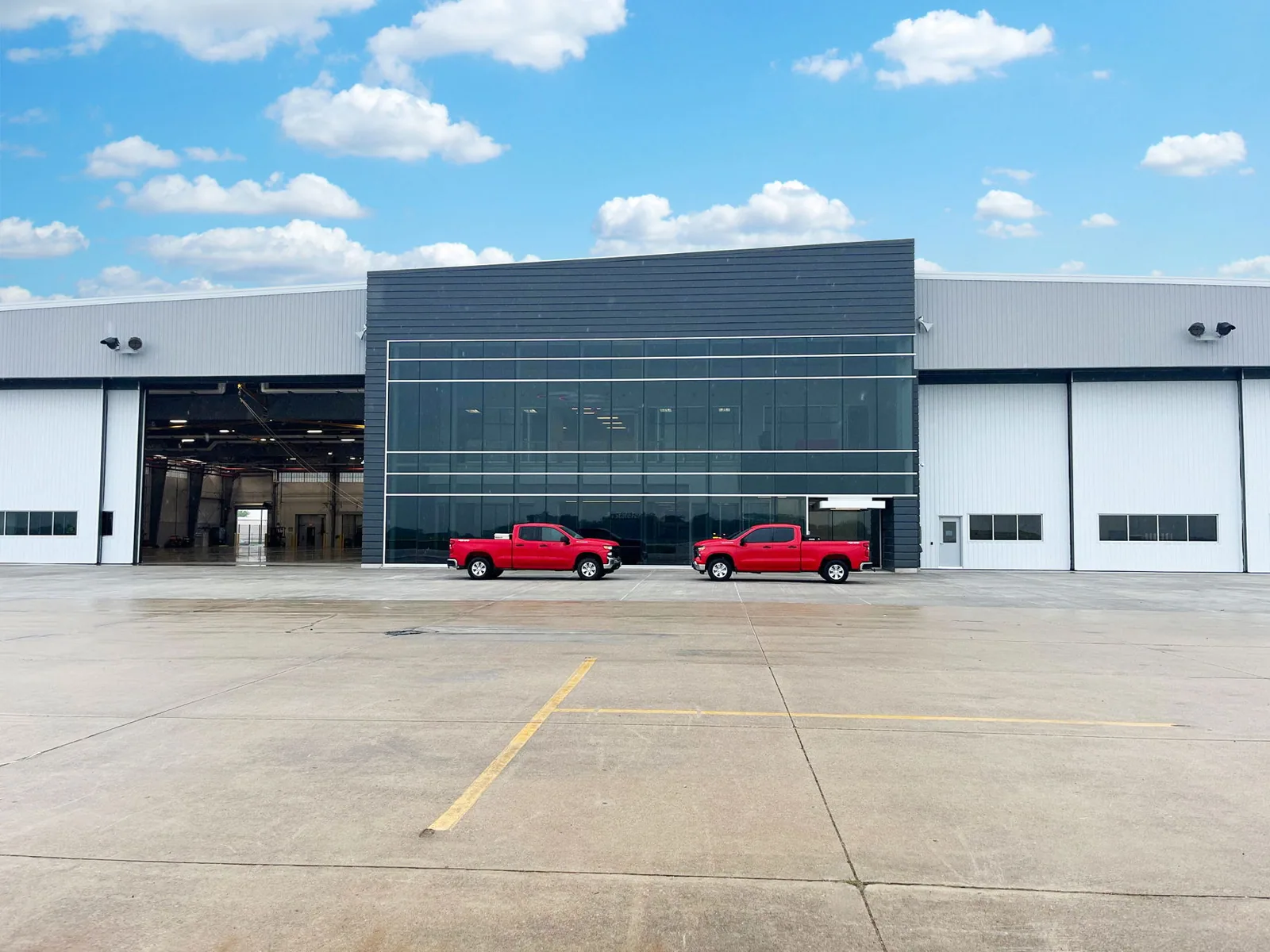
Exposure is recorded at the assembly
Waterfront conditions put exposed fasteners, sheet edges and terminations in repeated weather. We inspect accessible seams, laps, edge metal and penetrations for movement, corrosion or prior repair. The report identifies the affected detail and its relationship to adjacent material. When the surface view leaves a concealed-layer question, we identify a bounded opening that could resolve it before recommending further work.
Persistent northeasterly trade winds occur across Hawaii, and rainfall varies over short distances. On a low-slope assembly, wind exposure and water movement can meet at corners, parapets, drains and equipment curbs. We record those connections individually and identify where a termination needs repair or where drainage geometry needs further review. A perimeter and coping examination distinguishes loosened metal from a membrane condition that requires another scope.
Where ponding, blocked outlets or recurring water entry appear in the record, a drain and scupper review checks the outlet, surrounding surface and overflow path. Cleaning debris cannot correct an outlet set above a low area, so the proposed action follows the measured condition.
The facility confirms access and work limits
The owner or authorized representative confirms badging, escort, tools, material staging and approved movement routes before mobilization. These controls affect whether inspection equipment, roofing rolls and removed materials can reach the roof. The scope lists any access dependency and the boundary the crew may enter. If an escort or operating restriction changes, work stops at a safe closure point and the owner decides whether to reschedule or revise the authorized sequence.
The roof itself may include restricted zones for communication equipment, exhaust or other operations. We work from the limits the facility supplies and do not infer clearances from an old roof plan. A project drawing can guide the examination, but it does not replace a current direction from the operating authority. This separation allows the roofing team to protect the waterproofing while the facility retains control of security, mission use and equipment shutdown.
For work in a harbor-side district such as Iwilei, delivery and debris routes may also intersect with nearby commercial activity. The facility defines its route and timing, and the roofing plan accounts for the agreed movement so material handling does not become an unplanned obstruction.
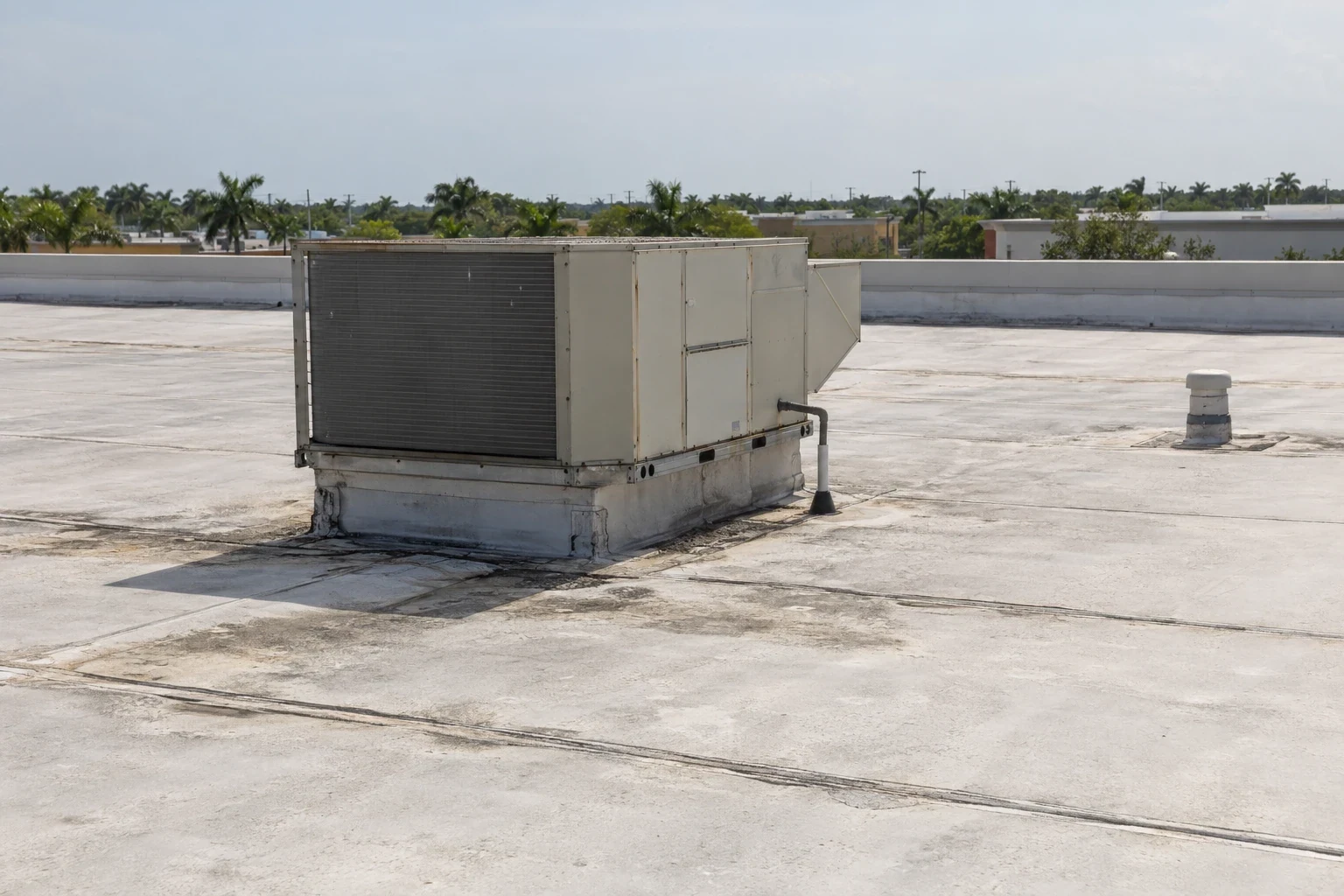
Selective openings settle concealed questions
Existing low-slope roofs may contain several layers from earlier repairs or additions. We review available drawings, maintenance records and accessible details to identify where construction may change. If moisture or deterioration beneath the surface could affect the work, an infrared moisture survey may help locate areas for confirmation when conditions are suitable. A selective opening can then establish the layers present, the substrate that remains and the limit of material requiring removal.
Each opening is tied to the owner’s authorization and a planned closure. The record notes membrane type, insulation, cover board and deck observations where they are exposed. If support or structure needs a separate professional assessment, that review remains a decision point before new material conceals the assembly. An opening does not justify extending removal across a different roof section unless the owner approves a scope based on the new evidence.
System selection follows that assembly record. A low-slope option must match the substrate, drainage and detail conditions. A hangar roof assessment also considers movement across a wide span and at its doors. We identify the attachment and termination proposed, plus the work at pipes, curbs and wall intersections. The owner can compare the installation details and removal limits rather than choose a product name apart from the roof it must protect.
A watertight shift boundary is planned
Hawaii’s most substantial rainfall tends to accompany winter storms during the October-to-April season. That seasonal pattern makes the exposed area and daily closure capacity part of the work decision. Before tear-off, the team reviews the forecast, drainage route, temporary securement and the permanent detail needed at the planned stopping point. If the weather window or access interval cannot support that sequence, the owner can reduce the opening or defer the work instead of leaving an unfinished transition.
Occupied operations may continue near a roofing area only when the facility confirms appropriate separation and access. The work plan identifies what will be isolated, what remains usable and where noise or equipment handling could affect the site. We coordinate the roof phase with the operations representative, while the owner communicates mission changes or limits that require a different schedule. This keeps a material delivery or crew sequence from assuming that a room, dock or route is available.
For active water intrusion, around-the-clock emergency stabilization can protect an affected area while the permanent scope is evaluated. A temporary cover is recorded as a short-term measure, not described as completed replacement or a warranty of future performance.
Closeout keeps concealed work traceable
Photographs of opened layers, substrate and final transitions are labeled with a roof location the facility can identify later. The opening log records material removed and the assembly restored. If the field condition differs from the authorized scope, the owner receives its effect on removal, cost drivers and closure before work extends into another area. A separate structural or equipment task is listed as a coordination item instead of being treated as completed roofing.
A located condition report can help later staff connect inspection findings with the areas repaired. The handover distinguishes completed work from deferred surfaces and notes temporary protection requiring follow-up. A warehouse roof assembly can also include different additions, so the record remains tied to the examined area. That account can inform maintenance, a later equipment change or a capital decision without asserting that all roof sections share the same condition.
Honolulu’s building and employment districts include different roof uses, from Downtown offices to activity in Iwilei and Sand Island. Arrange an examination that identifies the specific assembly, authorized access boundary and evidence needed to accept each completed transition.
Commercial Roofing Questions
Who approves roof access at a naval facility?
The facility authority confirms current entry, escort, equipment and route controls. The roofing scope uses those directions to plan mobilization without replacing the required authorization.
Can marine exposure alone determine roof replacement?
No. The recommendation follows examination of the installed material, details, fasteners and supporting layers. Exposure informs which connections merit attention, while the observed condition defines the scope.
How are hidden layers evaluated before a repair?
Records and accessible details are reviewed first. If a concealed condition could change removal limits, a survey or selective opening can give the owner evidence for that decision.
What if operations change after materials arrive?
The crew holds at a protected boundary and the authorized representative confirms the new access or scheduling limit. The scope can resume when a workable closure interval is available.
How is the completed work documented?
The record ties photographs to roof locations, exposed layers and final transitions. It also marks deferred or inaccessible areas so later staff can distinguish inspection from repair.
Define the authorized roof scope
Arrange an examination with Commercial Roofers Honolulu to connect the assembly findings, facility access rules and daily closure boundary to the proposed work.
Tell Us About Your Roof
We will follow up to set up a time to walk the roof.

Request a Roof Assessment
Tell us about the building and what you are seeing. We will follow up to set up a time to walk the roof.