
A small-business property owner scheduling acrylic restoration needs the drying stages understood before committing to an application period. Commercial Roofers Honolulu assesses acrylic roof coatings in Honolulu, HI, with substrate suitability, detail repairs and working conditions included in the proposal. Kaimuki’s commercial businesses and the commercial area along Kailua Road provide local settings for occupied roof work. We examine the actual retained surface and establish a supported preparation and application sequence, giving the owner a practical scope rather than a coating description disconnected from the conditions required to install it.
Acrylic roof coatings are used within selected protective and restoration systems, with the actual product requirements determining their suitable substrates and exposures. Application stages, surface preparation and drying conditions need to be specified together. The coating is one part of the roof decision; the retained layers, outlets and flashing still need a condition basis. We identify those findings before recommending application, keeping the proposed finish connected to the assembly that must continue providing weather protection.
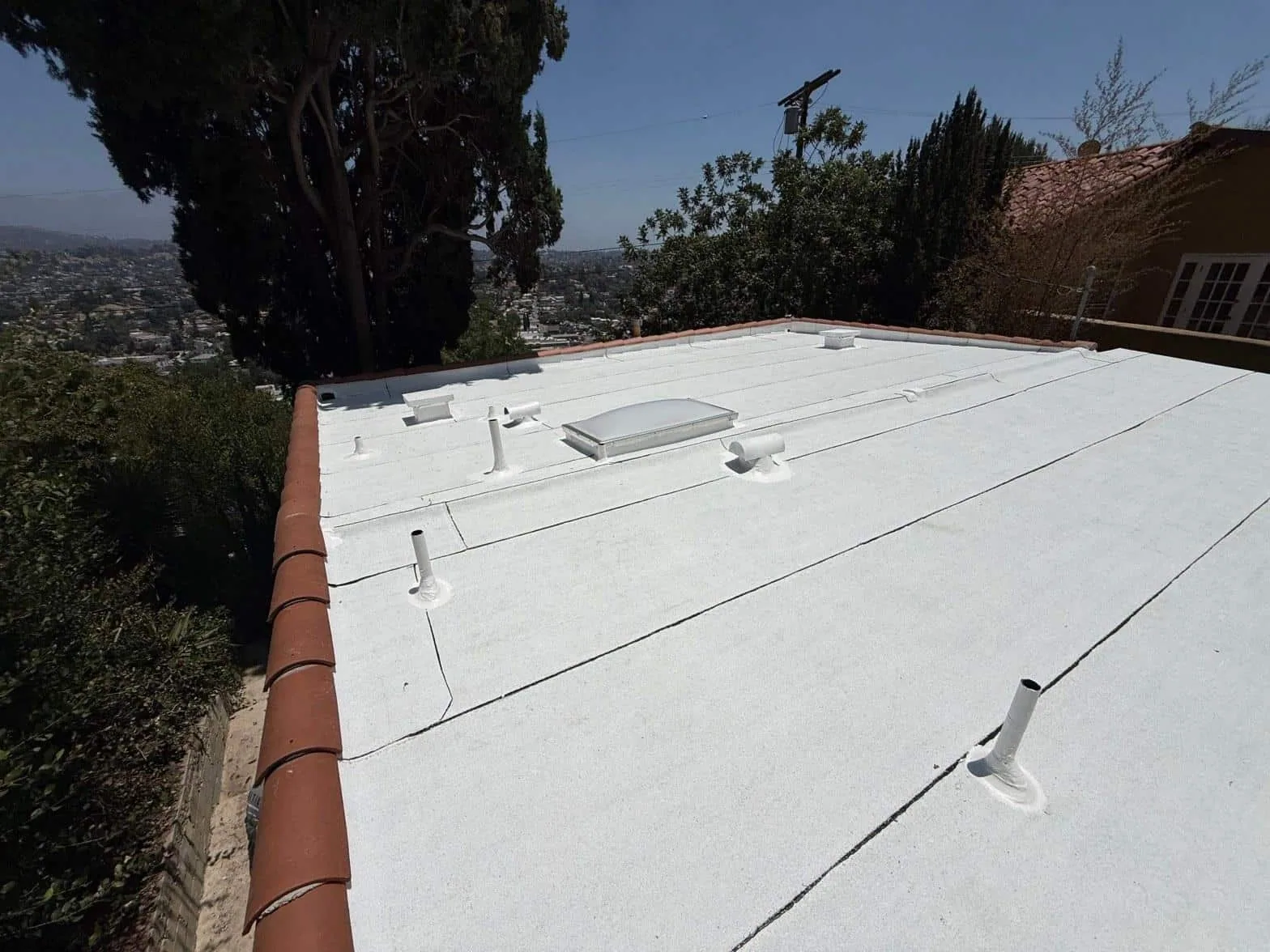
Drying requirements shape the work period
The selected acrylic system establishes the conditions needed for placement and drying. Surface moisture, temperature, humidity and forecast weather can affect the sequence. We review the planned operation and the conditions available rather than treat any dry interval as sufficient for every application stage. The work boundary should allow the material to receive the protection and time required before rain, roof traffic or another operation can affect the developing surface.
Hawaii’s heavier rain generally comes from winter storms during October through April, while rainfall can vary substantially over short distances. That context makes actual site conditions important when planning the work period. A general description of Honolulu weather does not establish an adequate drying interval at a particular roof. We assess the proposed operation and explain how its timing depends on the selected product requirements and the conditions encountered during preparation and application.
Where a prepared area cannot receive the next coating stage as scheduled, the condition is checked before work resumes. Surface contamination or moisture can create another preparation requirement. We identify that response rather than continue solely because the area was ready on an earlier visit. The owner should understand the sequence and any practical rescheduling dependency, particularly when the work is coordinated with building activity or another rooftop contractor.
Preparation distinguishes coating from concealment
We identify the existing roof surface and previous treatments that could affect the new system. Loose material, residue and incompatible coatings receive a preparation decision. Cleaning methods must suit the substrate and the occupied surroundings. The proposal describes the required condition after preparation, not simply the use of a particular cleaning tool. Where primer or adhesion testing is needed, that work is considered with surface variation across the area.
A retained-roof restoration review examines whether the assembly can support the proposed application. Damaged material and unresolved leakage need appropriate responses before coating proceeds. Wet insulation or deteriorated backing does not become serviceable because the weathering surface can be made uniform. We explain removal and repair boundaries where necessary, keeping the preparation scope connected to the condition of material that will remain below the new coating.
On metal roofing, corrosion and joints require assessment before application. Metal surface restoration planning distinguishes suitable preparation from panel or support replacement. Other substrates have different requirements. A compatible acrylic system should be chosen for the identified roof and exposure rather than transferred from a proposal for a different assembly simply because both surfaces can be cleaned.
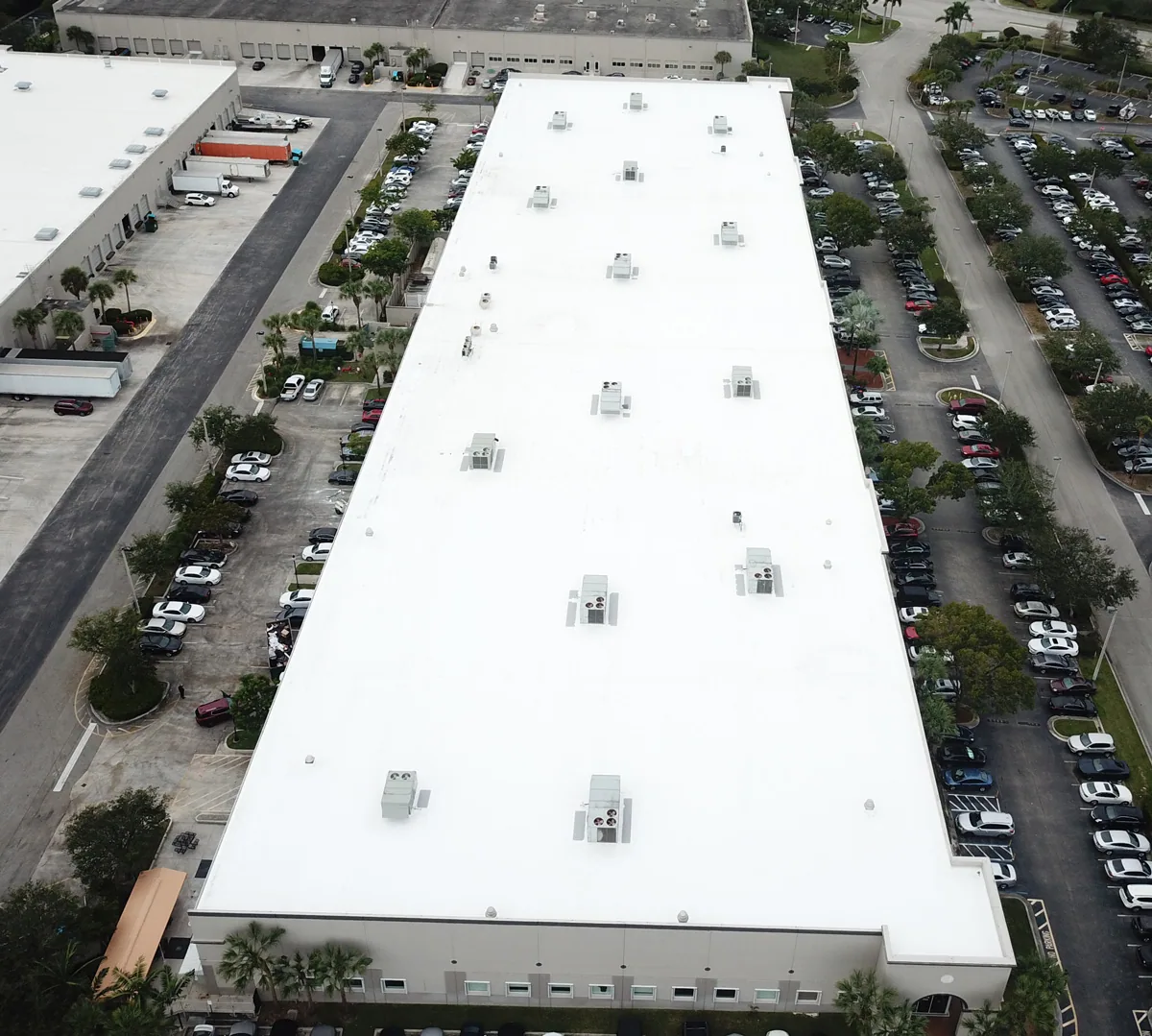
Junctions receive their specified treatment
Seams and transitions may require reinforced treatment according to the selected system. The existing junction must first provide a suitable base. A displaced flashing or moving component can need reconstruction rather than a new layer across its surface. We record those repairs and the prepared detail, allowing the owner to understand what mechanical or material condition was addressed before the field coating was applied.
Repaired penetration connections are coordinated with backing, component movement and termination height. If equipment or a service line needs another trade’s work, the sequence identifies that dependency. The coating detail should meet a suitable component rather than bridge an unresolved opening. Relevant photographs preserve the connection before the finished field makes preparation and reinforcement harder to distinguish.
Drainage remains a separate assembly question. Checking outlet geometry and condition can identify restrictions or low areas affecting the proposed system. Product requirements need review where water retention is present. An acrylic application should not be proposed as a substitute for correcting a raised outlet or damaged drain connection. The owner receives the necessary roofing and trade coordination alongside the coating scope.
Application stages leave a completion basis
Coverage, material quantities and the specified application sequence are considered together. The work needs to meet the selected system’s requirements in the field and at details. A uniform color can assist visual review but does not alone establish the protective layer delivered. We carry out appropriate checks and record relevant stages, identifying locations requiring additional treatment before the operation is accepted as complete.
For restaurant building restoration work, equipment discharges and access routes can affect both application and later care. The responsible parties address continuing exposure controls, while our scope defines the compatible roofing surface and details. Areas needing protection during work are agreed with the owner. Hawaii’s northeasterly trade winds also influence work-area control, so the crew assesses actual conditions and the suitable application method for the operation.
A silicone system alternative has distinct preparation and exposure requirements. Any comparison should identify the actual product and complete scope rather than rank broad coating categories without reference to the roof. We explain the findings supporting an appropriate route and any additional investigation needed, allowing the owner to compare restoration work on a clear construction basis.
Care follows the identified installed system
Owners in Kailua’s business district receive a description of the installed acrylic system and relevant preparation, repair and completion photographs. Later roof access follows its curing and protection requirements. Maintenance personnel should know compatible cleaning methods and the precautions needed around regularly serviced equipment. Proposed new treatments require review against the known system rather than an assumption that every coating can be applied over the completed surface.
Continued protective-surface care records deterioration, new damage and changes at reconstructed junctions. A local defect receives assessment before recoating, with damaged underlying material addressed where necessary. We identify completed scope and outstanding conditions separately. The handover retains the preparation and application basis for future decisions, helping the owner distinguish a suitable maintenance treatment from a broader restoration proposal that requires another assembly assessment.
Commercial Roofing Questions
What makes the drying window part of an acrylic proposal?
The selected product needs appropriate conditions between application and exposure to rain or traffic. Planning those stages establishes when the work can proceed and how an interruption will be handled.
Does a clean surface prove the roof is suitable for coating?
Cleaning addresses one preparation concern. Material condition, earlier treatments, concealed damage and detail suitability still need assessment before the retained assembly can support the proposed system.
Why review areas where water remains after rainfall?
Water exposure at the location must be compared with the chosen coating’s requirements. Drainage defects may require correction independently of preparation and application of a new weathering surface.
Can a reinforced coating close every separated flashing?
The existing connection must first be suitable. A displaced or unstable detail may need reconstruction so reinforcement is applied over an appropriate base rather than conceal an unresolved junction.
Which information supports a later recoating decision?
The installed product record, preparation findings and current surface examination establish the starting point. New damage or changed roof use may require repairs or another assessment before additional material is proposed.
Establish preparation and drying stages
Review acrylic roof coatings with Commercial Roofers Honolulu to define substrate condition, repaired details and the application sequence appropriate to the selected system.
Tell Us About Your Roof
We will follow up to set up a time to walk the roof.

Request a Roof Assessment
Tell us about the building and what you are seeing. We will follow up to set up a time to walk the roof.