A commercial roof tied to a redevelopment plan needs a scope that can be inspected while the building remains in use. Commercial Roofers Honolulu evaluates Versico systems in Honolulu, HI, by identifying the installed material, checking the connection details and recording what a proposed project will retain or remove. Pearl City includes established neighborhoods around its rail stations, while Waipahu has commercial activity along Farrington Highway and redevelopment near Depot Street. These distinct settings can affect roof access and staging, while the installed assembly still determines the owner’s repair or replacement decision. We document the condition before comparing repair and replacement, with emergency response available around the clock, including holidays.
Read the roof by area
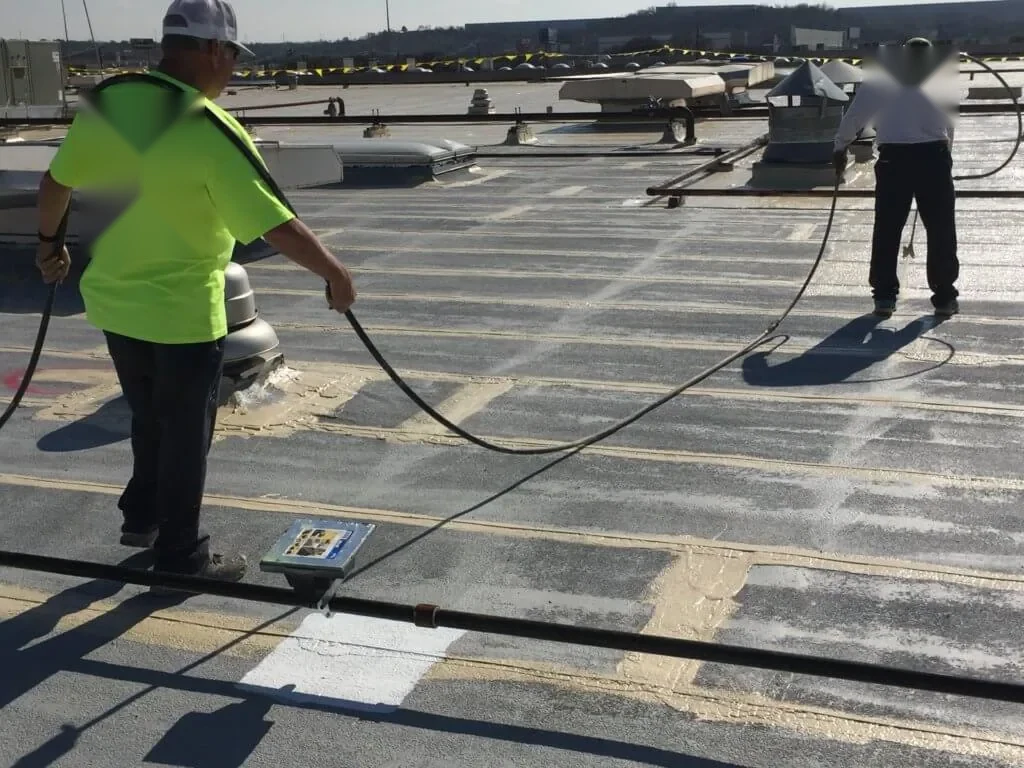
A manufacturer's system name does not establish that every roof zone has the same assembly. We inspect field membrane or surfacing, seams, flashings, drains, edge metal and previous repairs, then compare those observations with the available drawings and invoices. If records name Versico but the roof shows additions, we map the changed areas separately. The owner receives a condition record that distinguishes the material we could identify from layers that remain concealed. If an opening is needed, its location and purpose are stated before removal begins.
A new Versico specification should identify the intended membrane, attachment, insulation, cover board, flashings and terminations as one assembly. We check how those components meet existing construction and whether a replacement detail crosses into retained material. Product documents help define manufacturer requirements; the field record explains what this building needs. An owner can compare GAF commercial systems or Carlisle SynTec assemblies against the same roof condition, keeping the material comparison separate from unverified assumptions about the deck.
Make the construction boundary visible
Buildings in a district expected to accommodate new uses may have active tenants, deliveries or access routes beside the roof work. A proposal should identify which roof areas are included, where equipment and material will be staged and how occupied entrances remain protected. We coordinate the work zone with the property representative, identify restricted areas and set a daily closure point. If a planned opening must expand after concealed damage appears, we log the condition and request approval before carrying work into another area.
At the roof, the boundary follows more than a straight line on a drawing. It may include a curb, wall transition, drain, parapet or edge-metal run that must reconnect to the field membrane. We photograph these details before removal and state how the new material will terminate. A changed roof geometry can leave older and newer components adjacent; the transition should be treated as its own scope item rather than hidden under a general membrane allowance. Our occupied-building sequence and edge detail work help define that boundary.
Trace water before selecting a repair
Ponding, an interior stain or a separated seam can point to different parts of the roof assembly. We inspect nearby drains and scuppers, trace likely water paths and compare the affected area with the roof's slope and previous repair history. Water can travel under a membrane before appearing inside, so the visible mark is one observation rather than a complete map. If a moisture survey indicates a possible affected area, selective openings can confirm the layers. We photograph and log what is exposed, then describe how that finding changes a repair or replacement boundary.
Hawaii's northeast trades and uneven rainfall affect how crews handle sheet goods and secure an exposed roof. Winter storms bring the most rain between October and April, a seasonal planning factor rather than a forecast for any one building. The Versico scope therefore names the temporary cover and the shift's stopping point. We specify how the exposed roof will be protected at the end of the shift and who can approve a pause if conditions change. For an active interior leak, commercial leak repair begins with water entry and closure needs; ponding-water review addresses the drainage condition behind recurring accumulation.
Compare the material and the removal limits
Repair, recover and replacement carry different exposure for the owner. A repair can address an isolated detail while leaving sound surrounding areas in service. A recover keeps more existing layers in place and requires a condition basis for that choice. Replacement removes material to the scope boundary, lets the crew inspect the substrate and gives the owner a chance to address wet or damaged layers before covering them. We state the area and assumptions for each option, including what could change if an opening reveals an unexpected condition.
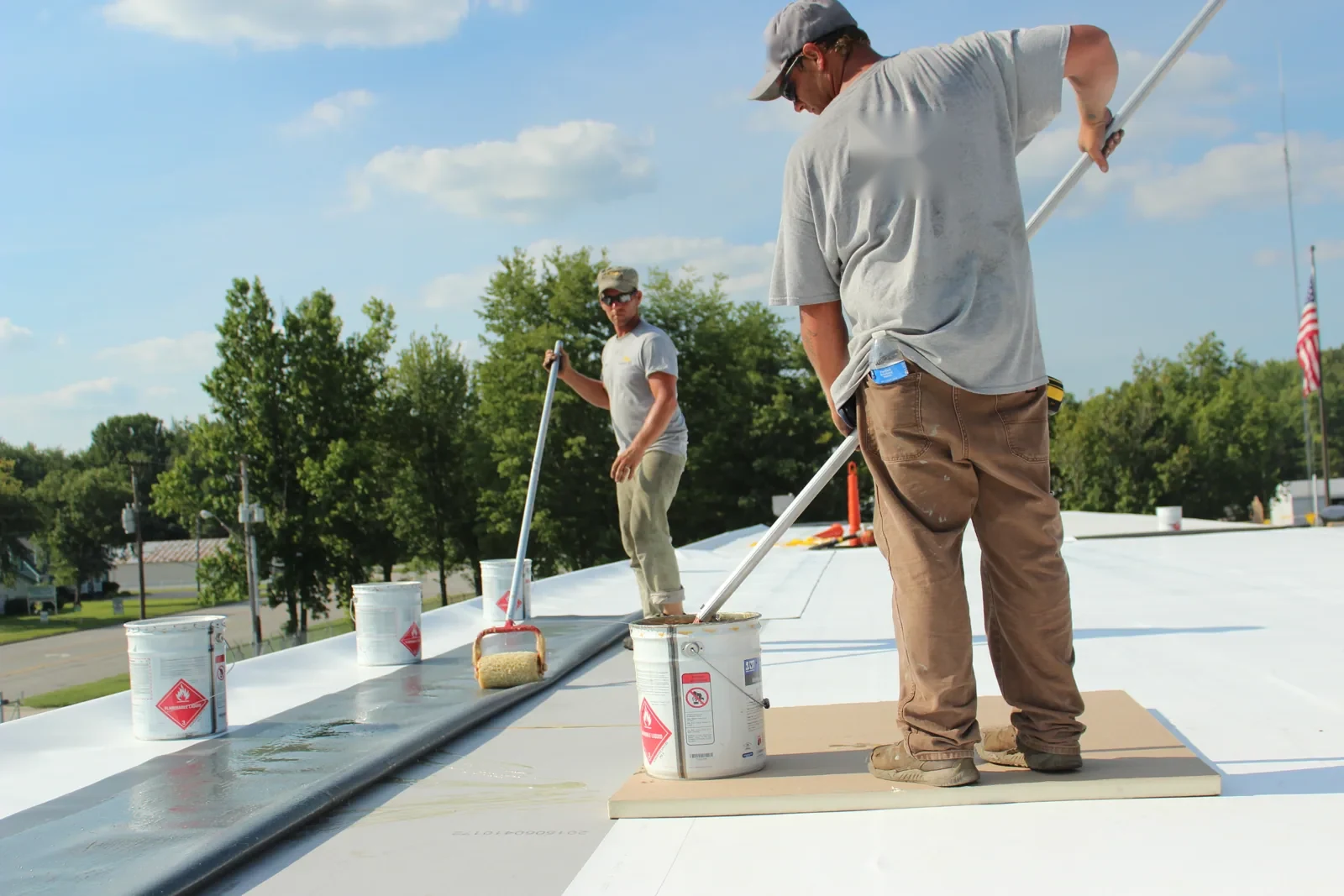
The Versico specification should name the products and connections selected for the actual assembly. The Versico submittal should identify the membrane, attachment, insulation and detail materials for the selected assembly. We compare that schedule with deck and perimeter conditions and note what the project team must resolve before installation is accepted. We identify attachment, edge treatment, flashing and penetration details, and route substitutions through written review. An owner weighing alternatives can compare a TPO assembly with PVC system scope where the condition supports both options, then evaluate maintenance and repair acceptance on the same basis.
Carry the installation record forward
Before a membrane covers the deck, the owner needs a record of the materials and details that will no longer be visible. We photograph substrate preparation, attachment, seams, wall transitions and repairs to concealed layers. The opening log ties each photo to a roof zone and approved scope change. At handover, we identify available system documents, work boundaries, completed repairs and maintenance findings. A later service team can then distinguish a detail that was installed from an area that remained outside the project.
Future visits should use the same roof-zone names and note changes rather than recreate the record. We inspect drains, seams and penetrations through preventive roof maintenance. Owners in Pearl City can coordinate roof work with the access and occupancy needs of properties in the planned mixed-use corridor; in Waipahu, Farrington Highway remains an existing commercial center. For multiple buildings, program records can track the next inspection without merging each property's condition. To arrange a Honolulu roof examination, share access limits and available assembly records.
Commercial Roofing Questions
Does a Versico label identify the whole roof?
Not necessarily. We inspect each roof area and compare field conditions with available records, since additions or repairs may have created different assemblies. The report states which material is identified and where confirmation is still needed.
Can redevelopment work proceed while the roof is replaced?
The schedule depends on occupied access, staging space, deliveries and how the roof can be divided into safe work zones. We document those limits and set a daily closure point with the building representative.
What does a moisture survey tell the owner?
It helps direct closer inspection but does not identify the concealed material by itself. Selective openings confirm the layers, and we photograph the condition before recommending a removal boundary.
How do repair and recover scopes differ?
A repair addresses defined defects while retaining surrounding material. A recover keeps more layers concealed, so the existing assembly needs a condition basis. We state the assumptions and removal limits for both options.
Which records should stay with the Versico roof?
Keep the system submittal, assembly details, concealed-work photos, approved changes and maintenance observations by roof area. That record gives future service a clear starting point. It also shows which details were inspected, which components were installed and where the prior scope ended. If a later leak appears near a documented transition, the owner can compare the new condition with the earlier photographs before choosing another repair.
Set a roof boundary the owner can review
Arrange a commercial roof examination in Honolulu. We will map roof zones, document the assembly and prepare a Versico scope with clear access, closure and concealed-work records.
Tell Us About Your Roof
We will follow up to set up a time to walk the roof.
Request a Roof Assessment
Tell us about the building and what you are seeing. We will follow up to set up a time to walk the roof.