
A shopping property owner considering a foam roof needs the application conditions and protective coating included in the decision from the outset. Commercial Roofers Honolulu evaluates spray polyurethane foam roofing in Honolulu, HI, with substrate suitability, detail preparation and operating protection defined before installation. Hawaii Kai’s commercial development around its marina and Kaimuki’s small-business setting provide local contexts for occupied work. We assess the actual roof and explain the complete foam-and-coating assembly rather than present a sprayed layer as independent of the surface and weathering protection it requires.
Spray polyurethane foam forms an insulating layer on a suitably prepared substrate, with the roofing system’s protective coating and details providing essential weathering protection. The selected arrangement has specific application and maintenance requirements. An owner needs to know what material remains below the foam, how penetrations and edges are treated and what care the finished surface will require. We document those relationships so installation acceptance addresses the complete assembly and future ownership has a usable account of the work.
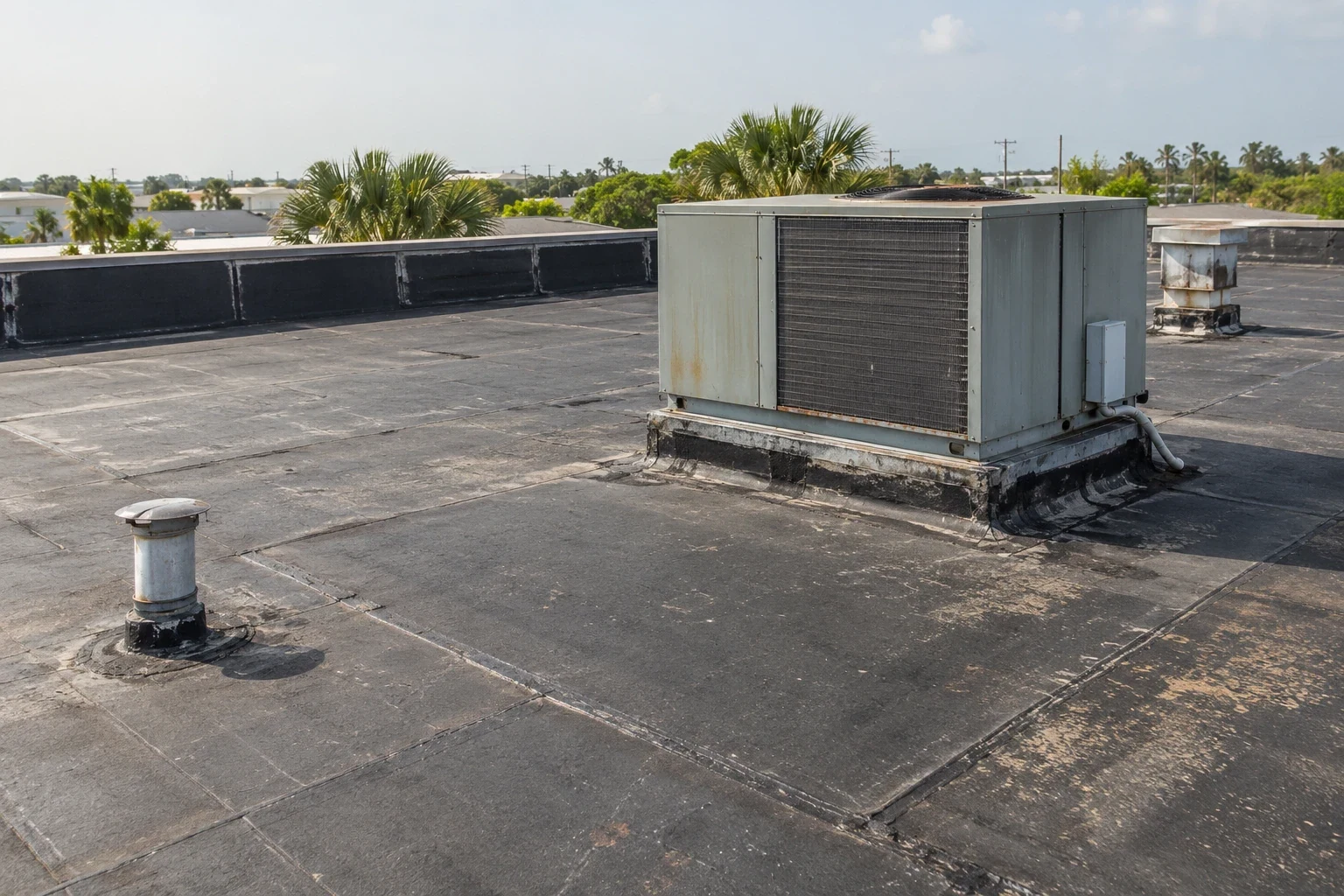
The substrate must support application
Existing roof records and accessible examination help establish the surface proposed for retention. The substrate must be suitable for the selected system, including its preparation and bonding requirements. Loose material, contamination and unresolved moisture can affect that basis. A substrate condition review identifies findings and the additional investigation required where concealed condition could change whether foam application is appropriate.
Confirmed wet or deteriorated material receives a defined response before the new system is installed. Selective openings can establish layers and supporting condition at recorded locations. We explain removal limits and the preparation needed at retained boundaries. Foam should not be used to obscure damaged material or bridge an unsuitable connection whose condition remains unknown. The scope preserves the evidence supporting retention and any outstanding question requiring resolution before work proceeds.
Supporting construction and project requirements also affect the proposed assembly. Where a change in load, attachment or roof geometry requires qualified input, that assessment is identified. The material’s application method does not establish that every existing deck or roof covering can remain. Owners receive a system-specific proposal that explains the accepted substrate and components instead of relying on a broad claim that foam can conform to any roof.
Application conditions control the operation
The selected foam system requires appropriate substrate and weather conditions during application. Surface moisture, wind and other relevant conditions are assessed for the planned work. Preparation and application follow the system’s requirements, with unsuitable conditions prompting a change in sequence. The work area is selected so the operation can be completed and protected appropriately rather than continue spraying solely to reach an area shown on the schedule.
Hawaii’s northeasterly trade winds make control of application and protection of adjacent areas important practical concerns. Occupied premises, vehicles, equipment intakes and neighboring surfaces need consideration in the work plan. We identify the areas requiring protection and the coordination needed before spraying. The actual operating conditions determine what can proceed; a general local wind pattern does not establish that a particular application period is acceptable.
Foam placement and the resulting profile are checked as appropriate to the selected assembly. Thickness and transitions should follow the accepted project arrangement, with attention to outlets and existing changes in elevation. A field application cannot be treated as an unreviewed drainage redesign. Where slope alteration is proposed, its relationship to the roof, outlets and supporting construction receives the necessary project-specific assessment before the system is installed.
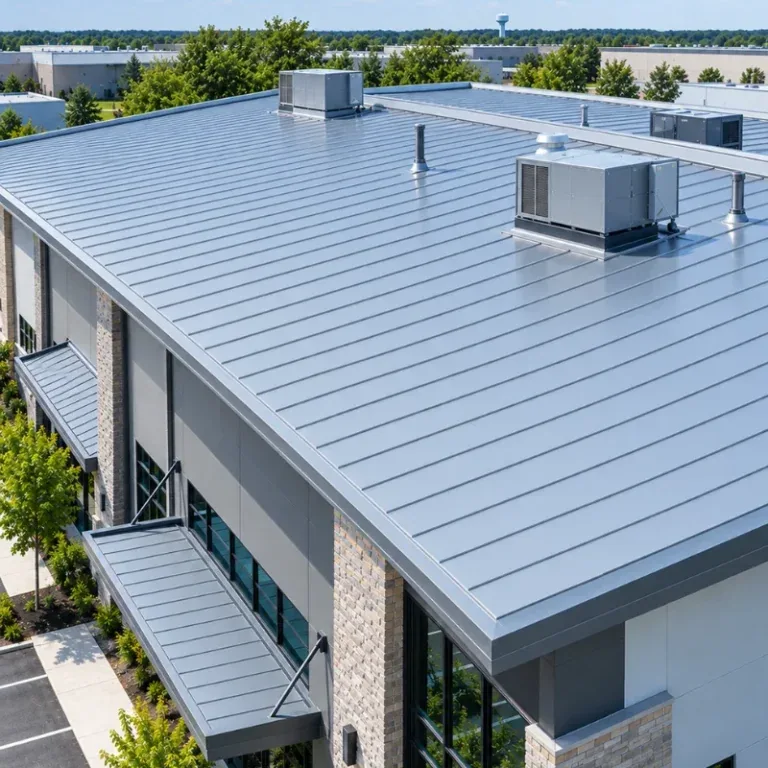
The coating is part of the roof system
Foam roofing requires its compatible protective coating, applied according to the selected system’s requirements. The coating type, coverage and detail treatment belong in the original scope rather than an unspecified finishing stage. Silicone protective coating options and acrylic coating options have different requirements. Their selection considers the assembly and expected conditions, not only the color of the completed surface.
Relevant checks address foam condition before coating and the application stages required for protection. Locations needing reinforced details or additional treatment are identified. Photographs preserve the prepared transitions and completed work with recognizable roof references. The owner should be able to confirm that the protective layer was delivered as specified rather than assume a uniform visible finish establishes appropriate coverage at every curb, corner and outlet.
Hawaii’s heavier rain generally arrives with winter storms between October and April. An adequate weather interval matters when foam and coating stages leave material needing protection. We plan the work with those dependencies in mind and assess actual conditions before each operation. An interruption requires a suitable response for the exposed assembly, keeping the completed system’s condition connected to the sequence used to install it.
Details remain inspectable and repairable
Penetrations and perimeter components need sound support and a compatible transition within the selected system. Where a component moves or its backing has deteriorated, that condition requires attention before the new roofing closes around it. Preparation at roof openings identifies the relevant trade boundaries and closure requirements. The foam’s shape-forming ability is not a substitute for a suitable component or a defined weathering connection.
Drain and scupper integration keeps outlets accessible and coordinated with the completed roof profile. Equipment service routes also need appropriate protection and space for maintenance. For shopping property roof operations, shared access and several occupied premises can affect staging. We agree those practical conditions with the owner, so the completed roof can be maintained without avoidable damage from the activities it must continue to support.
Ownership includes protective-surface care
An existing SPF roof with a damaged coating or localized foam defect needs examination before repair. We assess the affected material and the surrounding assembly, identifying any removal and compatible reconstruction required. Scheduled roof condition care records changes at repairs, access routes and protective surfaces. A new coating layer should not conceal damaged foam or an unresolved penetration detail that still needs correction.
Owners in Hawaii Kai’s commercial areas receive a system record describing the substrate, foam, protective coating and completed details. Later personnel can use it to review compatible repairs and proposed equipment changes. We identify outstanding work and care requirements appropriate to the installed assembly. The handover supports a continuing condition account, allowing future maintenance to respond to actual surface and material findings rather than assume the foam layer requires no observation after installation.
Commercial Roofing Questions
Is the protective coating optional on an SPF roof?
It forms an essential part of the selected roofing system’s weathering protection. Its material and application requirements should be specified with the foam rather than left as an undefined later treatment.
What can prevent application over an existing roof?
Unsuitable substrate condition, moisture, damaged material or incompatible construction can affect eligibility. Examination and project requirements establish whether preparation, removal or another roofing route is needed.
Why does wind affect the spraying plan?
Application control and protection of adjacent areas depend on actual working conditions. We assess the operation before proceeding and coordinate the necessary protection for occupied surroundings.
Can foam placement alter roof drainage without review?
A proposed profile change needs coordination with outlets and the existing roof arrangement. The appropriate project assessment establishes the intended geometry before application is treated as a drainage correction.
Which conditions warrant examination on an older foam roof?
Damaged protective surfaces, exposed or deteriorated foam and changed details deserve located findings. A suitable repair addresses the material condition before another coating obscures the affected area.
Review foam and protective coating together
Evaluate SPF roofing with Commercial Roofers Honolulu to establish substrate suitability, application conditions and the complete protective assembly required for the project.
Tell Us About Your Roof
We will follow up to set up a time to walk the roof.

Request a Roof Assessment
Tell us about the building and what you are seeing. We will follow up to set up a time to walk the roof.